ParliamoItaliano!

Wednesday, December 27, 2017

Let's Travel Together
Let's Travel Together and Save Money.
This travel group is for ANYONE who is interested in travelling the world at affordable prices. It is usually more affordable, not to mention FUN to travel as a group. It's also a great way to make new friends from all over the world.
This group is for those who enjoy travelling but may not have a travel partner or prefer to travel in groups, particularly suited to those who like to keep costs down! Whether you want to join in a trip which has been listed, or have seen a deal you'd like other members to know about, I hope that this group will increase opportunities to enjoy traveling in Italy and Europe..
This group is not aimed solely at single people, although it is single people who tend to be looking for travel companions, and IS NOT here to facilitate dating opportunities or hook-ups (although I am not naïve enough to believe that that won't happen, on occasion); couples are very welcome, as are those who are part of a couple but wish to travel without their partner, for whatever reason. We aim to provide a safe and pressure-free environment for everyone, whatever your personal circumstance.
Please remember, however, that we are not professional tour organizers and are not responsible for members, so when travelling, take care of yourself and your possessions and behave responsibly.
This group is free to join and we are open to all and any suggestions, so if there is somewhere you'd like to go, let us know; I keep an eye on all: Go Ahead Tours, Cosmos, Globus deals as well as finding myself on budget airline sites, finding out when the cheapest flights are available. Although we are happy to post special deals from travel organizers, we do not allow commercial advertising on this site, so please post only details of trips which you are intending to take yourself.
If cheap travel, making new friends (and memories) and experiencing the world is what you enjoy, then welcome aboard and happy traveling!
This group is not aimed solely at single people, although it is single people who tend to be looking for travel companions, and IS NOT here to facilitate dating opportunities or hook-ups (although I am not naïve enough to believe that that won't happen, on occasion); couples are very welcome, as are those who are part of a couple but wish to travel without their partner, for whatever reason. We aim to provide a safe and pressure-free environment for everyone, whatever your personal circumstance.
Please remember, however, that we are not professional tour organizers and are not responsible for members, so when travelling, take care of yourself and your possessions and behave responsibly.
This group is free to join and we are open to all and any suggestions, so if there is somewhere you'd like to go, let us know; I keep an eye on all: Go Ahead Tours, Cosmos, Globus deals as well as finding myself on budget airline sites, finding out when the cheapest flights are available. Although we are happy to post special deals from travel organizers, we do not allow commercial advertising on this site, so please post only details of trips which you are intending to take yourself.
If cheap travel, making new friends (and memories) and experiencing the world is what you enjoy, then welcome aboard and happy traveling!
Small Group Tours
Our classic tour packages are the easiest and most efficient way to explore new places. Sit back, relax and leave all the details to us, and save with fantastic package prices! We arrange your flights, transfers and other transportation by comfortable air-conditioned motor coaches and/or ferries. Relax in well-rated hotels, located near tourist sites as well as shopping, restaurants and other attractions. Enjoy a carefully structured touring program to top attractions, plus free time for independent exploration, or choose optional excursions to fill in the leisure time. You'll have an English-speaking guide and/or tour manager for some or all of your journey. And throughout your tour, you'll always have a local contact for any questions, problems or suggestions. Best of all, you'll enjoy traveling with a small, intimate group of like-minded travelers whom you'll quickly consider friends.
 |  |  |

Tuition Fees 2018
Tuition Fees
Our Prices.
All prices below are for private Italian tuition and include travel costs and basic materials. Your tutor will be able to recommend a textbook for you to purchase if necessary.
We can cater for larger groups and for any length of lesson so if you need something that you can't see below then please get in touch.
All prices below are for private Italian tuition and include travel costs and basic materials. Your tutor will be able to recommend a textbook for you to purchase if necessary.
We can cater for larger groups and for any length of lesson so if you need something that you can't see below then please get in touch.
1. Italian Language Classes & Italian Conversation Classes,
at your home, office or teacher home.
Italian Lessons at your home, office or teacher home.
Standard Lesson Length: 1.5 hours.
One-to-One Italian Language Classes:
Italian Language Classes are most effective with 1-to-1 tutoring. While it costs twice as much as the small group rate, the speed of learning can be twice as fast. For students who are advancing beyond the basics, this is the best approach. Students have different strengths and areas for improvement, different interests and learning styles. 1-to-1 is the best approach, including a flexible schedule.
LESSONS. One-to-one tuition at your home or office:
USD 19.00 per 1.5 hours lesson.
USD 22.00 per 2.0 hours lesson.
LESSONS. Two-to-one tuition at your home or office:
USD 28.00 per 1.5 hours lesson.
USD 31.00 per 2.0 hours lesson.
CONVERSATION. One-to-one tuition at your home or office:
USD 14.00 per 1.5 hours lesson.
USD 17.00 per 2.0 hours lesson.
CONVERSATION. Two-to-one tuition at your home or office:
USD 23.00 per 1.5 hours lesson.
USD 26.00 per 2.0 hours lesson.
Small Group Italian Language Classes:
Our Small Group language classes are much more effective than larger classes of 10 students or more, common at other Italian Language schools. Great for families or friends who want to study together. If the students create their own group, they can choose study dates/times convenient to them.
LESSONS. Groups for 1.5 hours at your home or office:
Group of 3: USD 36.00
Group of 4: USD 43.00
Group of 5: USD 49.00
LESSONS. Groups for 2.0 hours at your home or office:
Group of 3: USD 39.00
Group of 4: USD 46.00
Group of 5: USD 52.00
CONVERSATION. Groups for 1.5 hours at your home or office:
Group of 3: USD 31.00
Group of 4: USD 38.00
Group of 5: USD 44.00
CONVERSATION. Groups for 2.0 hours at your home or office:
Group of 3: USD 34.00
Group of 4: USD 41.00
Group of 5: USD 47.00
For our long term courses we have 5% discount available.
Your first assessment class of 30 minutes is FREE.
Classes are paid for in advance, but you can change your hours with your personal teacher to suit your lifestyle.
You will never lose your lesson hours by changing the class day or time, but please tell your teacher in advance.
Payment for classes is in USD Currency.
Payment for classes is made by PayPal, Western Union, Bank Transfer System.
Please, contact our consultants for payment, they will help you to choose the most suitable way of payment.
Standard Lesson Length: 1.5 hours.
One-to-One Italian Language Classes:
Italian Language Classes are most effective with 1-to-1 tutoring. While it costs twice as much as the small group rate, the speed of learning can be twice as fast. For students who are advancing beyond the basics, this is the best approach. Students have different strengths and areas for improvement, different interests and learning styles. 1-to-1 is the best approach, including a flexible schedule.
LESSONS. One-to-one tuition at your home or office:
USD 19.00 per 1.5 hours lesson.
USD 22.00 per 2.0 hours lesson.
LESSONS. Two-to-one tuition at your home or office:
USD 28.00 per 1.5 hours lesson.
USD 31.00 per 2.0 hours lesson.
CONVERSATION. One-to-one tuition at your home or office:
USD 14.00 per 1.5 hours lesson.
USD 17.00 per 2.0 hours lesson.
CONVERSATION. Two-to-one tuition at your home or office:
USD 23.00 per 1.5 hours lesson.
USD 26.00 per 2.0 hours lesson.
Small Group Italian Language Classes:
Our Small Group language classes are much more effective than larger classes of 10 students or more, common at other Italian Language schools. Great for families or friends who want to study together. If the students create their own group, they can choose study dates/times convenient to them.
LESSONS. Groups for 1.5 hours at your home or office:
Group of 3: USD 36.00
Group of 4: USD 43.00
Group of 5: USD 49.00
LESSONS. Groups for 2.0 hours at your home or office:
Group of 3: USD 39.00
Group of 4: USD 46.00
Group of 5: USD 52.00
CONVERSATION. Groups for 1.5 hours at your home or office:
Group of 3: USD 31.00
Group of 4: USD 38.00
Group of 5: USD 44.00
CONVERSATION. Groups for 2.0 hours at your home or office:
Group of 3: USD 34.00
Group of 4: USD 41.00
Group of 5: USD 47.00
For our long term courses we have 5% discount available.
Your first assessment class of 30 minutes is FREE.
Classes are paid for in advance, but you can change your hours with your personal teacher to suit your lifestyle.
You will never lose your lesson hours by changing the class day or time, but please tell your teacher in advance.
Payment for classes is in USD Currency.
Payment for classes is made by PayPal, Western Union, Bank Transfer System.
Please, contact our consultants for payment, they will help you to choose the most suitable way of payment.
2. Online Italian Language Classes & Italian Conversation Classes.
Online Language Courses (Skype).
Standard Lesson Length: 60 minutes.
One-to-One Italian Language Classes:
Italian Language Classes are most effective with 1-to-1 tutoring. While it costs twice as much as the small group rate, the speed of learning can be twice as fast. For students who are advancing beyond the basics, this is the best approach. Students have different strengths and areas for improvement, different interests and learning styles. 1-to-1 is the best approach, including a flexible schedule.
LESSONS. One-to-one tuition online via Skype:
USD 13.00 per 60 minutes lesson.
USD 16.00 per 1.5 hours lesson.
LESSONS. Two-to-one tuition online via Skype:
USD 20.00 per 60 minutes lesson.
USD 23.00 per 1.5 hours lesson.
CONVERSATION. One-to-one tuition online via Skype:
USD 10.00 per 60 minutes lesson.
USD 12.00 per 1.5 hours lesson.
CONVERSATION. Two-to-one tuition online via Skype:
USD 17.00 per 60 minutes lesson.
USD 19.00 per 1.5 hours lesson.
Small Group Italian Language Classes:
Our Small Group language classes are much more effective than larger classes of 10 students or more, common at other Italian Language schools. Great for families or friends who want to study together. If the students create their own group, they can choose study dates/times convenient to them.
LESSONS. Groups for 60 minutes, online via Skype:
Group of 3: USD 26.00
Group of 4: USD 31.00
Group of 5: USD 35.00
LESSONS. Groups for 1.5 hours, online via Skype:
Group of 3: USD 29.00
Group of 4: USD 34.00
Group of 5: USD 38.00
CONVERSATION. Groups for 60 minutes, online via Skype:
Group of 3: USD 23.00
Group of 4: USD 28.00
Group of 5: USD 32.00
CONVERSATION. Groups for 1.5 hours, online via Skype:
Group of 3: USD 25.00
Group of 4: USD 30.00
Group of 5: USD 34.00
For our long term courses we have 5% discount available.
Your first assessment class of 30 minutes is FREE.
Classes are paid for in advance, but you can change your hours with your personal teacher to suit your lifestyle.
You will never lose your online hours by changing the class day or time, but please tell your teacher in advance.
Payment for classes is in USD Currency.
Payment for classes is made by PayPal, Western Union, Bank Transfer System.
Please, contact our consultants for payment, they will help you to choose the most suitable way of payment.
Standard Lesson Length: 60 minutes.
One-to-One Italian Language Classes:
Italian Language Classes are most effective with 1-to-1 tutoring. While it costs twice as much as the small group rate, the speed of learning can be twice as fast. For students who are advancing beyond the basics, this is the best approach. Students have different strengths and areas for improvement, different interests and learning styles. 1-to-1 is the best approach, including a flexible schedule.
LESSONS. One-to-one tuition online via Skype:
USD 13.00 per 60 minutes lesson.
USD 16.00 per 1.5 hours lesson.
LESSONS. Two-to-one tuition online via Skype:
USD 20.00 per 60 minutes lesson.
USD 23.00 per 1.5 hours lesson.
CONVERSATION. One-to-one tuition online via Skype:
USD 10.00 per 60 minutes lesson.
USD 12.00 per 1.5 hours lesson.
CONVERSATION. Two-to-one tuition online via Skype:
USD 17.00 per 60 minutes lesson.
USD 19.00 per 1.5 hours lesson.
Small Group Italian Language Classes:
Our Small Group language classes are much more effective than larger classes of 10 students or more, common at other Italian Language schools. Great for families or friends who want to study together. If the students create their own group, they can choose study dates/times convenient to them.
LESSONS. Groups for 60 minutes, online via Skype:
Group of 3: USD 26.00
Group of 4: USD 31.00
Group of 5: USD 35.00
LESSONS. Groups for 1.5 hours, online via Skype:
Group of 3: USD 29.00
Group of 4: USD 34.00
Group of 5: USD 38.00
CONVERSATION. Groups for 60 minutes, online via Skype:
Group of 3: USD 23.00
Group of 4: USD 28.00
Group of 5: USD 32.00
CONVERSATION. Groups for 1.5 hours, online via Skype:
Group of 3: USD 25.00
Group of 4: USD 30.00
Group of 5: USD 34.00
For our long term courses we have 5% discount available.
Your first assessment class of 30 minutes is FREE.
Classes are paid for in advance, but you can change your hours with your personal teacher to suit your lifestyle.
You will never lose your online hours by changing the class day or time, but please tell your teacher in advance.
Payment for classes is in USD Currency.
Payment for classes is made by PayPal, Western Union, Bank Transfer System.
Please, contact our consultants for payment, they will help you to choose the most suitable way of payment.
Paypal:
 |

Tuesday, December 26, 2017
Italian Conversation Online
We will talk with you in Italian for $10.00
Do you want to practice your Italian conversation? Or just simply want to have a conversation?
We can casually speak with you in Italian to help you gain confidence in speech and pronunciation.
If you would like to have a general chat, about everyday topics. We are more than happy to do so. We can talk about life, hobbies, food and culture, travelling, the world, politics, the environment, friendships and relationships, spirituality and life theories etc...
We can even offer you some intuitive friendly advice if you just want someone to talk to.
We love to meet new people and make new friends, learn about different cultures and lifestyles... and we love to chat!
We will speak with you in Italian for 60 minutes on Skype..... for $10.00
Please feel free to message us before ordering the service.
We can casually speak with you in Italian to help you gain confidence in speech and pronunciation.
If you would like to have a general chat, about everyday topics. We are more than happy to do so. We can talk about life, hobbies, food and culture, travelling, the world, politics, the environment, friendships and relationships, spirituality and life theories etc...
We can even offer you some intuitive friendly advice if you just want someone to talk to.
We love to meet new people and make new friends, learn about different cultures and lifestyles... and we love to chat!
We will speak with you in Italian for 60 minutes on Skype..... for $10.00
Please feel free to message us before ordering the service.
Italian Language Conversation - Online and Face-to-Face.
Private one-on-one Italian Tutoring.
Our Conversation Online will help you:
» Increase your Italian speaking and listening skills
» Improve your Italian pronunciation
» Enhance your career opportunities
» Gain more confidence when speaking in Italian
Studies show that private mentoring and classes can increase your learning skills by up to 75%!
In addition by taking Italian classes online, you can learn in the location where you are most comfortable.
Italian Conversation Online.
Our mission is to help people and students improve their language conversation skills through our unique schedule-friendly system. You will quickly learn Italian through customized one-on-one lessons, and live conversations.
Our teachers are all qualified and experienced language teachers and mentors whose first language is Italian.
They all have extensive experience teaching Italian as a second language in their country and around the world.
Our online Italian conversation challenge students in a safe and positive environment. Our lesson plans are designed to be fun, challenging, and informative. One of the biggest benefits of learning a foreign language online is that you can speak with your instructor from the comfort of your own home or office in real time.
So get started!!!
Our Conversation Online will help you:
» Increase your Italian speaking and listening skills
» Improve your Italian pronunciation
» Enhance your career opportunities
» Gain more confidence when speaking in Italian
Studies show that private mentoring and classes can increase your learning skills by up to 75%!
In addition by taking Italian classes online, you can learn in the location where you are most comfortable.
Italian Conversation Online.
Our mission is to help people and students improve their language conversation skills through our unique schedule-friendly system. You will quickly learn Italian through customized one-on-one lessons, and live conversations.
Our teachers are all qualified and experienced language teachers and mentors whose first language is Italian.
They all have extensive experience teaching Italian as a second language in their country and around the world.
Our online Italian conversation challenge students in a safe and positive environment. Our lesson plans are designed to be fun, challenging, and informative. One of the biggest benefits of learning a foreign language online is that you can speak with your instructor from the comfort of your own home or office in real time.
So get started!!!
Who is it for?
For anyone who has a level of fluency in Italian (intermediate or advanced) who wishes to practice their verbal expression, improve their comprehension skills in a structured class. You will be gently corrected while speaking in order to gain better oral fluency. Every online session lasts 45 minutes.
How Does It Work?
After evaluating your current level of Italian and your objectives with an adviser, a teacher will arrange with you a 30-minutes Language Session at a day and time most convenient for you.
The session will take place via Internet with Skype.
How Does It Work?
After evaluating your current level of Italian and your objectives with an adviser, a teacher will arrange with you a 30-minutes Language Session at a day and time most convenient for you.
The session will take place via Internet with Skype.
Conversation Topics.
Conversation Topics
In order to improve your language skills, your conversation with your teacher should be as diverse as possible. This way you can acquire a broad vocabulary and learn all the different sentence structures in a language. Below you can find some suggestions for conversation topics that would guide you to achieve this.
Comparing
An interesting aspect of getting to know somebody from another country, it's to learn about their culture. One way to do this is to compare the differences between the two countries, such as pace of life, type of jobs, quality of life, cuisine, drinking habits, how people spend their spare time, ethnic makeup, social structure, climate, topography, educational system, ....
Traveling
Keen language learners are often also keen travelers. Ask your teachers if they like traveling, what are the most interesting places they have been to, what they think are the best holiday destinations, what are their country's most popular tourist attractions, if they prefer traveling on their own or taking a package tour, what they miss most when they are away from home, if they are planning to travel shortly. Ask them if they have ever met anyone interesting while on a journey or if they have ever come across any unusual food or drink.
Hypothetical Situations
One way to practice grammar is to talk about hypothetical situations. While this is not a topic in itself, you can always ask hypothetical questions in most topics of conversation. Not only would this spice up your conversation, but it would also be a good way to practice some difficult verb tenses. Take, for example, the topics above. If you and your teacher are talking about your jobs, you can ask: "If you had the choice of doing any job, what would it be?" If you are talking about your language partner country's economical and political problems, you can ask: "If you were the president, what would you do first?" If the topic of conversation is travelling, you can ask: "If you had to choose a country to live in for the rest of your life, which one would you choose?" The possibilities are limited only by your imagination!
Music
This is without a doubt a much loved topic and you should make the most of it. Ask your conversation partner what their favorite group / singer / radio station / type of music are. Ask them when and how often they listen to music, if they often go to live concerts, if certain music brings memories to their mind, if there is any kind of music they can't stand, if they play any musical instruments, if they can sing, if they have ever sung karaoke, if they know the lyrics of a song in their practicing language. If you are talking to a foreigner you can ask who the most popular singers in their country are and if they can now listen to them on the radio.
Expressing your opinion
One way to get a good command of a language is being able to express your opinion about any topic. As with hypothetical questions, expressing your opinion will enrich and enliven the conversation, however do not be a know-it-all, but respect the opinion of your conversation partner and try to keep an open mind if you disagree with them. You can ask an opinion on nearly everything. Take, for example, music. You can ask your conversation partner how their opinion of good music has changed over their lifetime, if they consider CDs to be expensive or what they think about downloading free MP3s from the internet. Be extra careful when talking about religion and politics, as people tend to get quite passionate about them.
Have you ever ...?
Another way to start an interesting topic, is to ask the "Have you ever ...?" question. Here are some examples:
* Have you ever been on TV?
* Have you ever sung in public?
* Have you ever dyed your hair blond?
* Have you ever eaten frogs' legs?
* Have you ever received a present that you really hated?
* Have you ever walked into a lamppost?
* Have you ever cooked a meal by yourself for more than 15 people?
* Have you ever fallen or stumbled in front of others?
* Have you done volunteer work?
* Have you ever free-climbed a tree?
* Have you ever had a close relative who lived to over 100?
* Have you ever ridden a horse?
* Have you ever tried any extreme sports?
* Have you ever seen a car accident?
* Have you ever been mugged?
* Have you ever driven a sports car?
* Have you ever broken a bone?
* Have you ever cheated on an exam?
* Have you ever fallen in love at first sight?
* Have you ever met a celebrity?
* Have you ever slept in a tent?
Other topics
Ordering food, describing a person, shopping, clothes and fashion, money, celebrities, gossip, food & eating, meeting people, sports, marriage, children, education, books, computers, science and technology, annoying things.
In order to improve your language skills, your conversation with your teacher should be as diverse as possible. This way you can acquire a broad vocabulary and learn all the different sentence structures in a language. Below you can find some suggestions for conversation topics that would guide you to achieve this.
Comparing
An interesting aspect of getting to know somebody from another country, it's to learn about their culture. One way to do this is to compare the differences between the two countries, such as pace of life, type of jobs, quality of life, cuisine, drinking habits, how people spend their spare time, ethnic makeup, social structure, climate, topography, educational system, ....
Traveling
Keen language learners are often also keen travelers. Ask your teachers if they like traveling, what are the most interesting places they have been to, what they think are the best holiday destinations, what are their country's most popular tourist attractions, if they prefer traveling on their own or taking a package tour, what they miss most when they are away from home, if they are planning to travel shortly. Ask them if they have ever met anyone interesting while on a journey or if they have ever come across any unusual food or drink.
Hypothetical Situations
One way to practice grammar is to talk about hypothetical situations. While this is not a topic in itself, you can always ask hypothetical questions in most topics of conversation. Not only would this spice up your conversation, but it would also be a good way to practice some difficult verb tenses. Take, for example, the topics above. If you and your teacher are talking about your jobs, you can ask: "If you had the choice of doing any job, what would it be?" If you are talking about your language partner country's economical and political problems, you can ask: "If you were the president, what would you do first?" If the topic of conversation is travelling, you can ask: "If you had to choose a country to live in for the rest of your life, which one would you choose?" The possibilities are limited only by your imagination!
Music
This is without a doubt a much loved topic and you should make the most of it. Ask your conversation partner what their favorite group / singer / radio station / type of music are. Ask them when and how often they listen to music, if they often go to live concerts, if certain music brings memories to their mind, if there is any kind of music they can't stand, if they play any musical instruments, if they can sing, if they have ever sung karaoke, if they know the lyrics of a song in their practicing language. If you are talking to a foreigner you can ask who the most popular singers in their country are and if they can now listen to them on the radio.
Expressing your opinion
One way to get a good command of a language is being able to express your opinion about any topic. As with hypothetical questions, expressing your opinion will enrich and enliven the conversation, however do not be a know-it-all, but respect the opinion of your conversation partner and try to keep an open mind if you disagree with them. You can ask an opinion on nearly everything. Take, for example, music. You can ask your conversation partner how their opinion of good music has changed over their lifetime, if they consider CDs to be expensive or what they think about downloading free MP3s from the internet. Be extra careful when talking about religion and politics, as people tend to get quite passionate about them.
Have you ever ...?
Another way to start an interesting topic, is to ask the "Have you ever ...?" question. Here are some examples:
* Have you ever been on TV?
* Have you ever sung in public?
* Have you ever dyed your hair blond?
* Have you ever eaten frogs' legs?
* Have you ever received a present that you really hated?
* Have you ever walked into a lamppost?
* Have you ever cooked a meal by yourself for more than 15 people?
* Have you ever fallen or stumbled in front of others?
* Have you done volunteer work?
* Have you ever free-climbed a tree?
* Have you ever had a close relative who lived to over 100?
* Have you ever ridden a horse?
* Have you ever tried any extreme sports?
* Have you ever seen a car accident?
* Have you ever been mugged?
* Have you ever driven a sports car?
* Have you ever broken a bone?
* Have you ever cheated on an exam?
* Have you ever fallen in love at first sight?
* Have you ever met a celebrity?
* Have you ever slept in a tent?
Other topics
Ordering food, describing a person, shopping, clothes and fashion, money, celebrities, gossip, food & eating, meeting people, sports, marriage, children, education, books, computers, science and technology, annoying things.


Contact
"Parliamo Italiano" - Italian Language & Culture
Contacting Us...
Feel free to call or email at any time.
If you have a general inquiry about us or our services, please contact us.
Feel free to call or email at any time.
If you have a general inquiry about us or our services, please contact us.
We recommend that you complete our online registration form.
Thank you for your interest in "Parliamo Italiano".
Thank you for your interest in "Parliamo Italiano".
PayPal:
 |
"Parliamo Italiano"
McAllen, Texas
Tel. 956-599-4480
email: rgvitaliangroup@gmail.com
Skype: rgvlanguages
McAllen, Texas
Tel. 956-599-4480
email: rgvitaliangroup@gmail.com
Skype: rgvlanguages


The Mediterranean Diet
The Mediterranean Diet.

Myths, Facts, and Health Benefits of a Mediterranean Diet
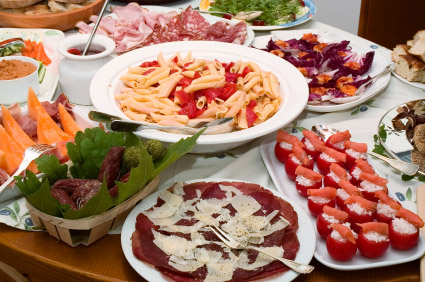
When you think about Mediterranean food, your mind probably goes to pizza and pasta from Italy, or hummus and pita from Greece, but these dishes don’t exactly fit into any healthy dietary plans advertised as “Mediterranean.” The reality is that a true Mediterranean diet consists mainly of fruits and vegetables, seafood, olive oil, hearty grains, and more—foods that help fight against heart disease, certain cancers, diabetes, and cognitive decline. It’s a diet worth chasing; making the switch from pepperoni and cheese to fish and avocados may take some effort, but you could soon be on a path to a healthier and longer life.
What is a “Mediterranean diet”?
Pizza, gyros, falafel, lasagna, rack of lamb, and long loaves of white bread: all these foods have become synonymous with what we call “Mediterranean.” We picture huge, three-hour feasts with multiple courses and endless bottles of wine. But over the past 50 years, Americans and others have altered the idea of Mediterranean fare, ramping up the meat, saturated fat, and calories at the expense of the region’s traditional fruits, vegetables, beans, nuts, seafood, olive oil, small amounts of dairy, and a glass or two of red wine. What was once a healthy and inexpensive way of eating back then is now associated with heavy, unhealthy dishes that contribute to heart disease, obesity, diabetes, and other chronic diseases.
After World War II, a study led by Ancel Keys of the Mayo Foundation examined the diets and health of almost 13,000 middle-aged men in the US, Japan, Italy, Greece (including Crete), the Netherlands, Finland, and Yugoslavia. Remarkably, well-fed American men had higher rates of heart disease than those in countries whose diets had been restricted by the deprivations of war. It was the men of Crete, arguably the poorer people of the study, who enjoyed the best cardiovascular health. This was due to physical labor and their unique food pyramid.
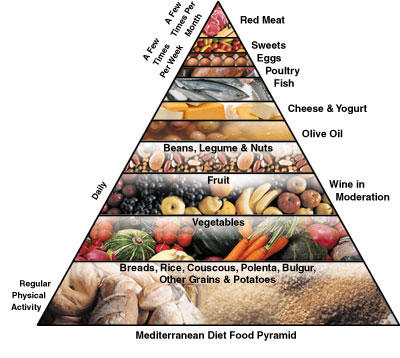
The Mediterranean Diet Pyramid is based on the dietary traditions of Crete, Greece, and southern Italy circa 1960 at a time when the rates of chronic disease among populations there were among the lowest in the world, and adult life expectancy was among the highest, even though medial services were limited.
Aside from eating a diet consisting mainly of fresh and homegrown foods instead of processed goods, other vital elements to the Mediterranean diet are daily exercise, sharing meals with others, and fostering a deep appreciation for the pleasures of eating healthy and delicious foods.
When you think about Mediterranean food, your mind probably goes to pizza and pasta from Italy, or hummus and pita from Greece, but these dishes don’t exactly fit into any healthy dietary plans advertised as “Mediterranean.” The reality is that a true Mediterranean diet consists mainly of fruits and vegetables, seafood, olive oil, hearty grains, and more—foods that help fight against heart disease, certain cancers, diabetes, and cognitive decline. It’s a diet worth chasing; making the switch from pepperoni and cheese to fish and avocados may take some effort, but you could soon be on a path to a healthier and longer life.
What is a “Mediterranean diet”?
Pizza, gyros, falafel, lasagna, rack of lamb, and long loaves of white bread: all these foods have become synonymous with what we call “Mediterranean.” We picture huge, three-hour feasts with multiple courses and endless bottles of wine. But over the past 50 years, Americans and others have altered the idea of Mediterranean fare, ramping up the meat, saturated fat, and calories at the expense of the region’s traditional fruits, vegetables, beans, nuts, seafood, olive oil, small amounts of dairy, and a glass or two of red wine. What was once a healthy and inexpensive way of eating back then is now associated with heavy, unhealthy dishes that contribute to heart disease, obesity, diabetes, and other chronic diseases.
After World War II, a study led by Ancel Keys of the Mayo Foundation examined the diets and health of almost 13,000 middle-aged men in the US, Japan, Italy, Greece (including Crete), the Netherlands, Finland, and Yugoslavia. Remarkably, well-fed American men had higher rates of heart disease than those in countries whose diets had been restricted by the deprivations of war. It was the men of Crete, arguably the poorer people of the study, who enjoyed the best cardiovascular health. This was due to physical labor and their unique food pyramid.
The Mediterranean Diet Pyramid is based on the dietary traditions of Crete, Greece, and southern Italy circa 1960 at a time when the rates of chronic disease among populations there were among the lowest in the world, and adult life expectancy was among the highest, even though medial services were limited.
Aside from eating a diet consisting mainly of fresh and homegrown foods instead of processed goods, other vital elements to the Mediterranean diet are daily exercise, sharing meals with others, and fostering a deep appreciation for the pleasures of eating healthy and delicious foods.

Myths and facts of a Mediterranean diet
Following a Mediterranean diet has many benefits, but there are still a lot of misconceptions on exactly how to take advantage of the lifestyle to lead a healthier, longer life. The following are some myths and facts about the Mediterranean diet.
Myth 1: It costs a lot to eat this way.
Fact: If you're creating meals out of beans or lentils as your main source of protein, and sticking with mostly plants and whole grains, then the Mediterranean diet is less expensive than serving dishes of meat, cheese, and processed foods.
Myth 2: If one glass of wine is good for your heart, than three glasses is three times as healthy.
Fact: Moderate amounts of red wine (one drink a day for women; two for men) certainly has unique health benefits for your heart, but drinking too much has the opposite effect. Anything more than two glasses of wine can actually be bad for your heart.
Myth 3: Eating large bowls of pasta and bread is the Mediterranean way.
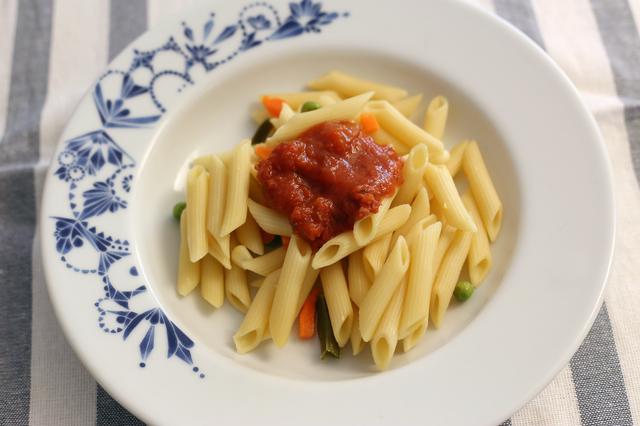
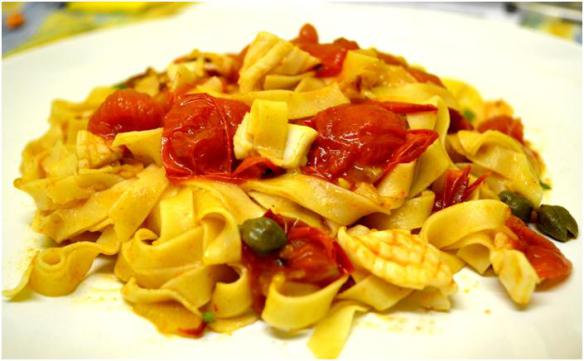
Fact: Typically, Mediterraneans don't eat a heaping plate of pasta the way Americans do. Instead, pasta is usually a side dish with about a 1/2-cup to 1-cup serving size. The rest of their plate consists of salads, vegetables, a small portion of meat, and perhaps one slice of bread.
Myth 4: If you follow the traditional Mediterranean diet then you will lose weight.
Fact: Those living on Greek islands don’t enjoy good cardiovascular health just by eating differently; they walk up and down steep hills to tend to their garden and animals, often living off what they can grow themselves. Physical labor plays a large role.
Myth 5: The Mediterranean diet is only about the food.
Fact: The food is a huge part of the diet, yes, but don't overlook the other ways the Mediterraneans life their lives. When they sit down for a meal, they don't sit in front of a television or eat in a rush; they sit down for a relaxed, leisurely meal with others, which may be just as important for your health as what's on your plate.
Health benefits of a Mediterranean diet
A traditional Mediterranean diet consisting of large quantities of fresh fruits and vegetables, nuts, fish and olive oil—coupled with physical activity—reduces the risk of heart disease, certain cancers, diabetes, Parkinson’s and Alzheimer’s diseases. More specifically:
Protecting against type 2 diabetes. A Mediterranean diet is rich in fiber, slowing down digestion and preventing huge swings in blood sugar.
Preventing heart disease and strokes. Refined breads, processed foods, and red meat are discouraged in a Mediterranean diet, and it encourages drinking red wine instead of hard liquor, which have all been linked to heart disease and stroke prevention.
Keeping you agile. The nutrients gained with a Mediterranean diet may reduce a senior’s risk of developing muscle weakness and other signs of frailty by about 70 percent.
Reducing risk of Alzheimer’s. Researchers speculate that the Mediterranean diet may improve cholesterol and blood sugar levels and overall blood vessel health—all factors that may reduce the risk of Alzheimer’s disease or dementia.
Halving the risk of Parkinson’s disease. In a diet containing high levels of antioxidants that prevent cells from undergoing a damaging process called oxidative stress, the risk of Parkinson’s disease is practically cut in half.
Increased longevity. When there is a reduction in developing heart disease or cancer, as in the case when you follow a Mediterranean diet, there is a 20% reduced risk of death at any age.
How to make the change
If you’re feeling daunted by the thought of changing your eating habits to a Mediterranean diet, here are some suggestions to get you started:
Quick start to a Mediterranean diet
There is new, even stronger research backing up the Mediterranean diet as a way to prevent vascular disease. The diet includes generous quantities of olive oil, fruits, vegetables, nuts, and fish; limited portions of red meats or processed meats; and moderate amounts of cheese and wine. So how can you make the switch? Start with small steps, jump-starting your effort with these top five tips:
Following a Mediterranean diet has many benefits, but there are still a lot of misconceptions on exactly how to take advantage of the lifestyle to lead a healthier, longer life. The following are some myths and facts about the Mediterranean diet.
Myth 1: It costs a lot to eat this way.
Fact: If you're creating meals out of beans or lentils as your main source of protein, and sticking with mostly plants and whole grains, then the Mediterranean diet is less expensive than serving dishes of meat, cheese, and processed foods.
Myth 2: If one glass of wine is good for your heart, than three glasses is three times as healthy.
Fact: Moderate amounts of red wine (one drink a day for women; two for men) certainly has unique health benefits for your heart, but drinking too much has the opposite effect. Anything more than two glasses of wine can actually be bad for your heart.
Myth 3: Eating large bowls of pasta and bread is the Mediterranean way.
Fact: Typically, Mediterraneans don't eat a heaping plate of pasta the way Americans do. Instead, pasta is usually a side dish with about a 1/2-cup to 1-cup serving size. The rest of their plate consists of salads, vegetables, a small portion of meat, and perhaps one slice of bread.
Myth 4: If you follow the traditional Mediterranean diet then you will lose weight.
Fact: Those living on Greek islands don’t enjoy good cardiovascular health just by eating differently; they walk up and down steep hills to tend to their garden and animals, often living off what they can grow themselves. Physical labor plays a large role.
Myth 5: The Mediterranean diet is only about the food.
Fact: The food is a huge part of the diet, yes, but don't overlook the other ways the Mediterraneans life their lives. When they sit down for a meal, they don't sit in front of a television or eat in a rush; they sit down for a relaxed, leisurely meal with others, which may be just as important for your health as what's on your plate.
Health benefits of a Mediterranean diet
A traditional Mediterranean diet consisting of large quantities of fresh fruits and vegetables, nuts, fish and olive oil—coupled with physical activity—reduces the risk of heart disease, certain cancers, diabetes, Parkinson’s and Alzheimer’s diseases. More specifically:
Protecting against type 2 diabetes. A Mediterranean diet is rich in fiber, slowing down digestion and preventing huge swings in blood sugar.
Preventing heart disease and strokes. Refined breads, processed foods, and red meat are discouraged in a Mediterranean diet, and it encourages drinking red wine instead of hard liquor, which have all been linked to heart disease and stroke prevention.
Keeping you agile. The nutrients gained with a Mediterranean diet may reduce a senior’s risk of developing muscle weakness and other signs of frailty by about 70 percent.
Reducing risk of Alzheimer’s. Researchers speculate that the Mediterranean diet may improve cholesterol and blood sugar levels and overall blood vessel health—all factors that may reduce the risk of Alzheimer’s disease or dementia.
Halving the risk of Parkinson’s disease. In a diet containing high levels of antioxidants that prevent cells from undergoing a damaging process called oxidative stress, the risk of Parkinson’s disease is practically cut in half.
Increased longevity. When there is a reduction in developing heart disease or cancer, as in the case when you follow a Mediterranean diet, there is a 20% reduced risk of death at any age.
How to make the change
If you’re feeling daunted by the thought of changing your eating habits to a Mediterranean diet, here are some suggestions to get you started:
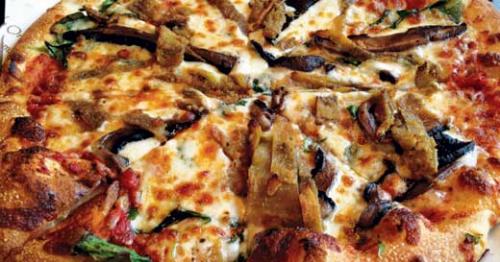
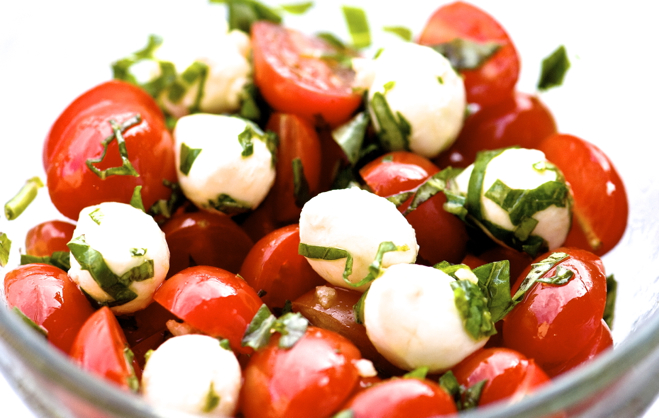
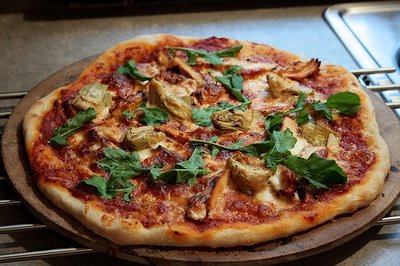
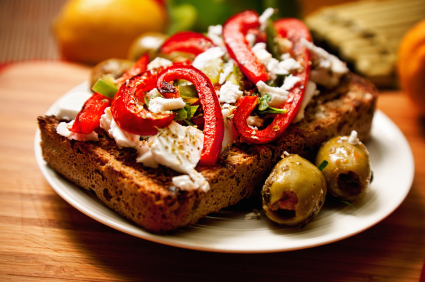
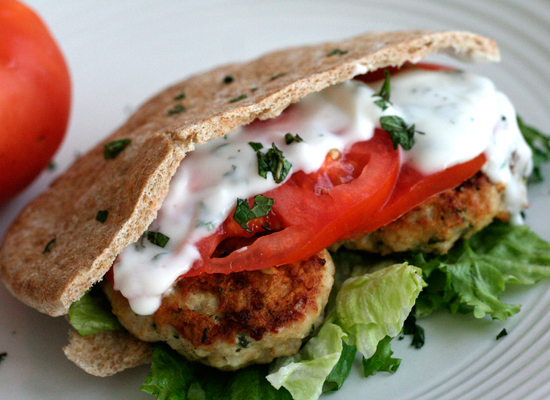
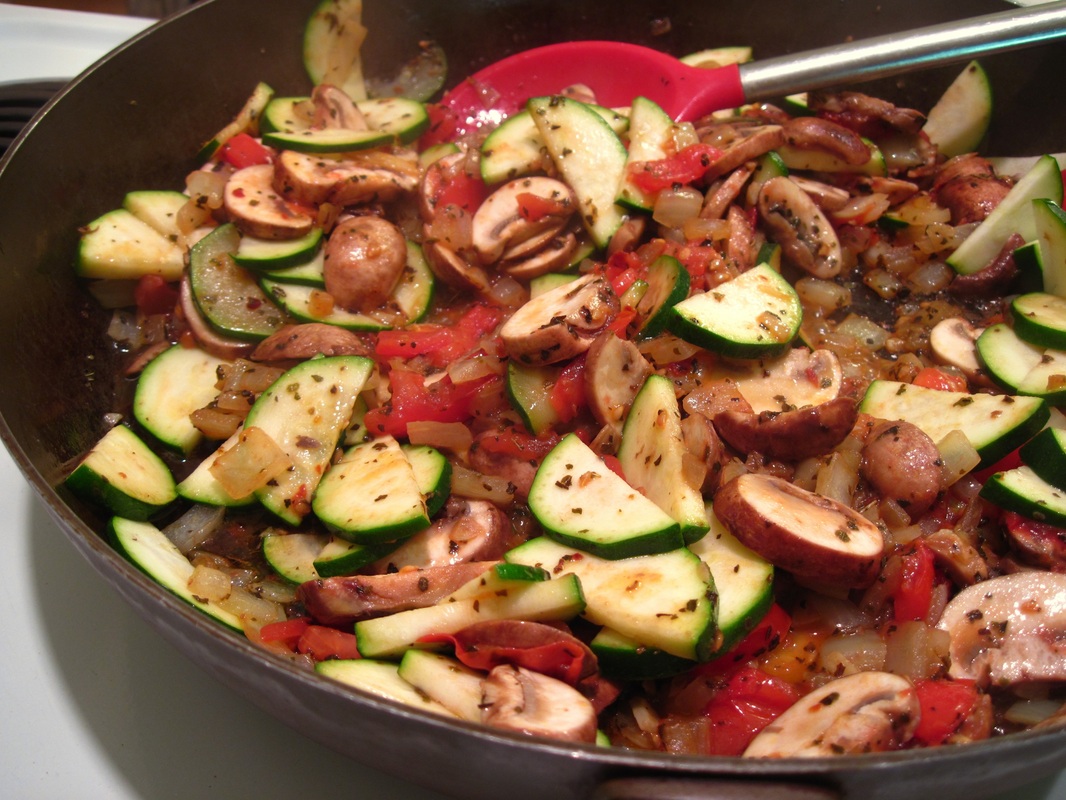
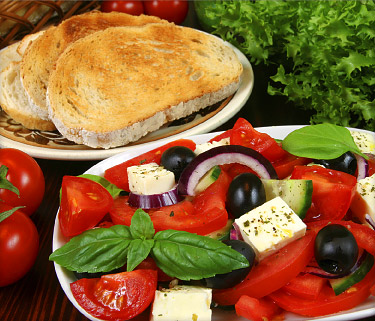
- Eat lots of vegetables. Try a simple plate of sliced tomatoes drizzled with olive oil and crumbled feta cheese, or load your pizza with peppers and mushrooms instead of sausage and pepperoni. Salads, soups, and crudité platters are also great ways to load up on vegetables.
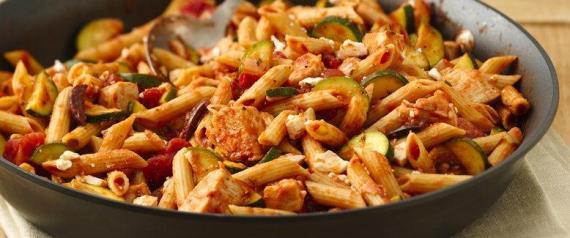
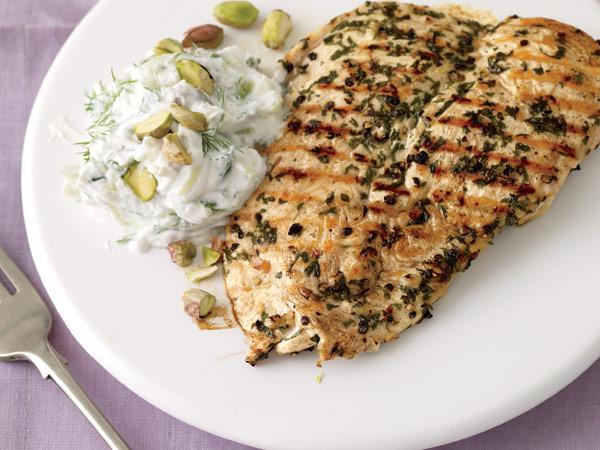
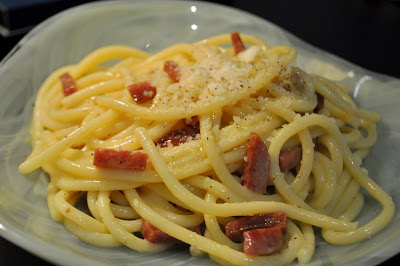
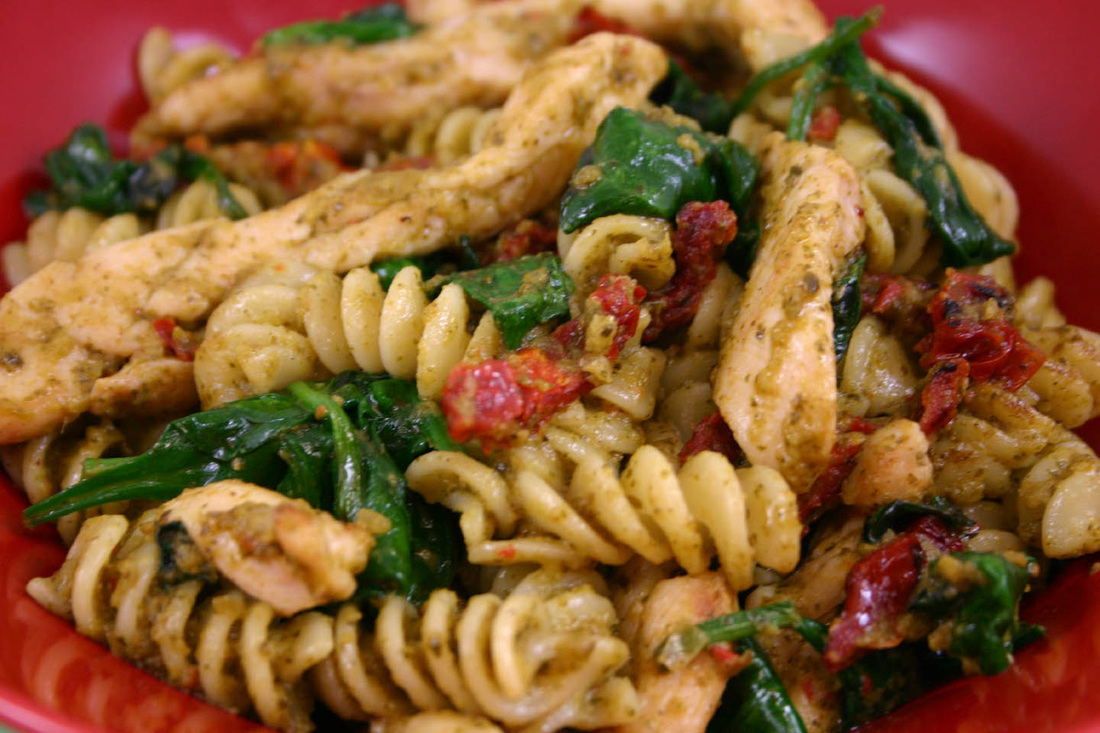
- Change the way you think about meat. If you eat meat, have smaller amounts and leaner cuts. Put small strips of chicken on your salad, or add diced prosciutto to a whole-wheat pasta dish.
- Always eat breakfast. Fruits, whole grains, and other fiber-rich foods are a great way to start your day, keeping you pleasantly full for hours.
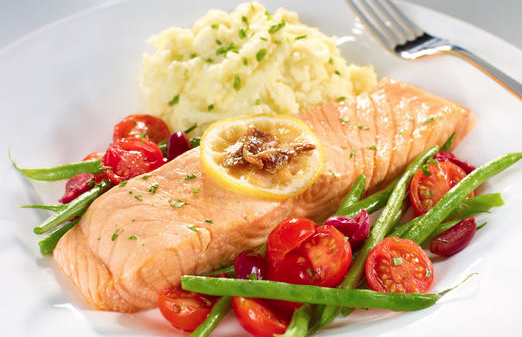
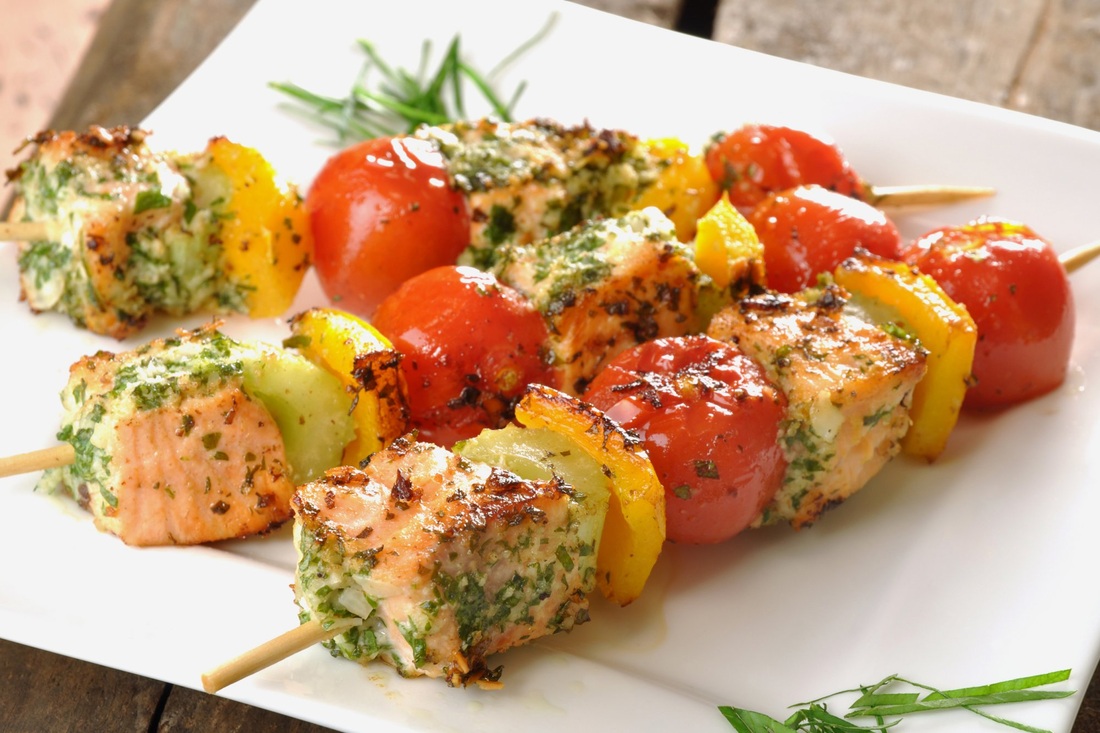
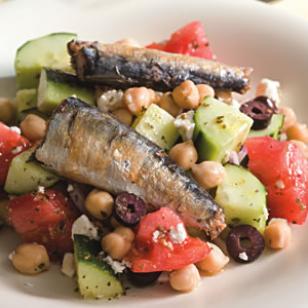
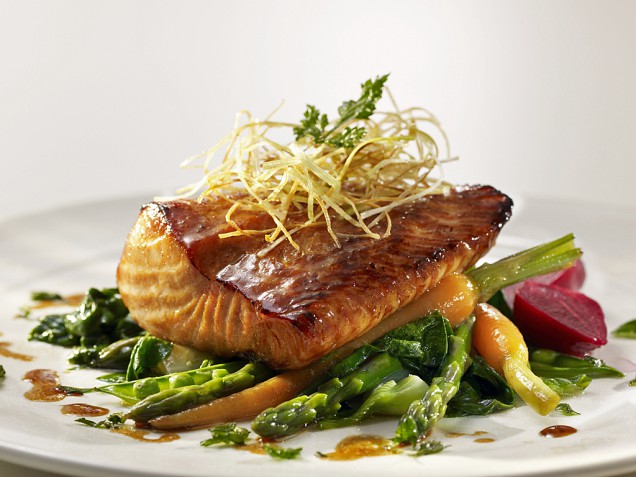
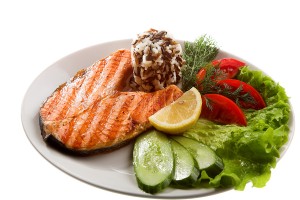
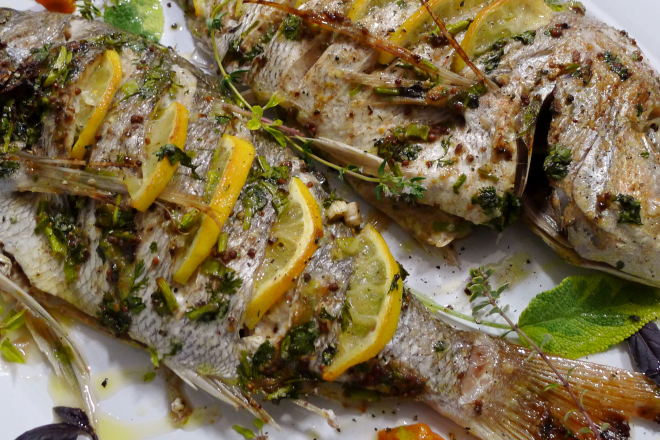
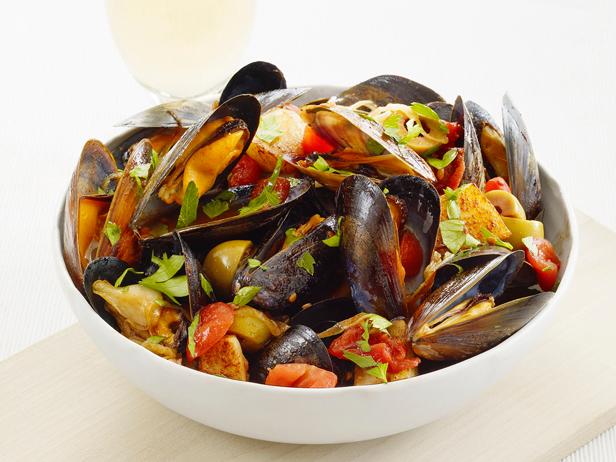
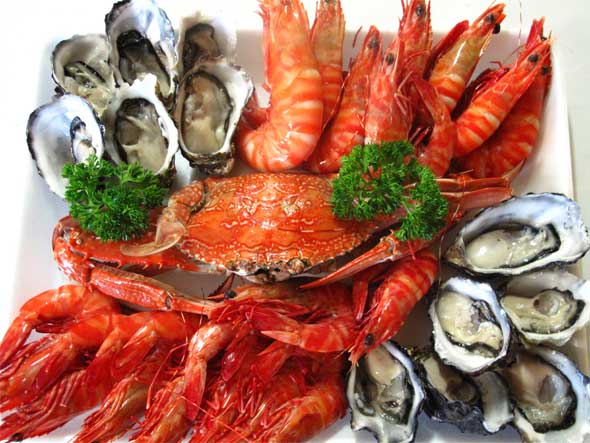
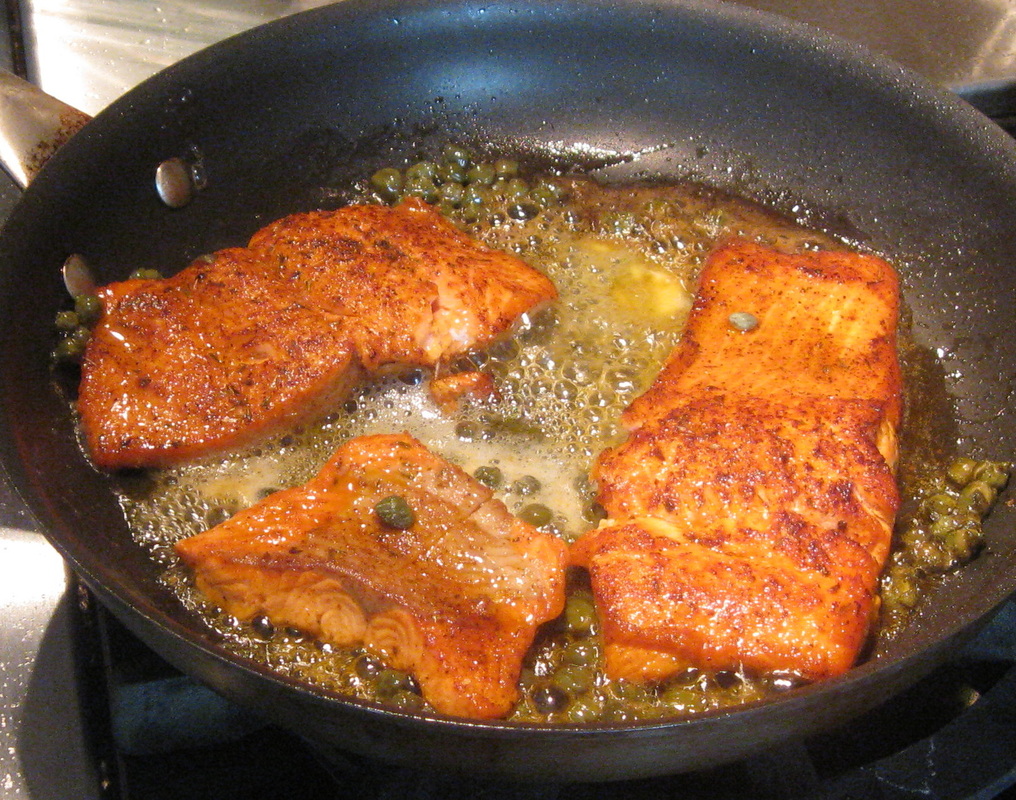
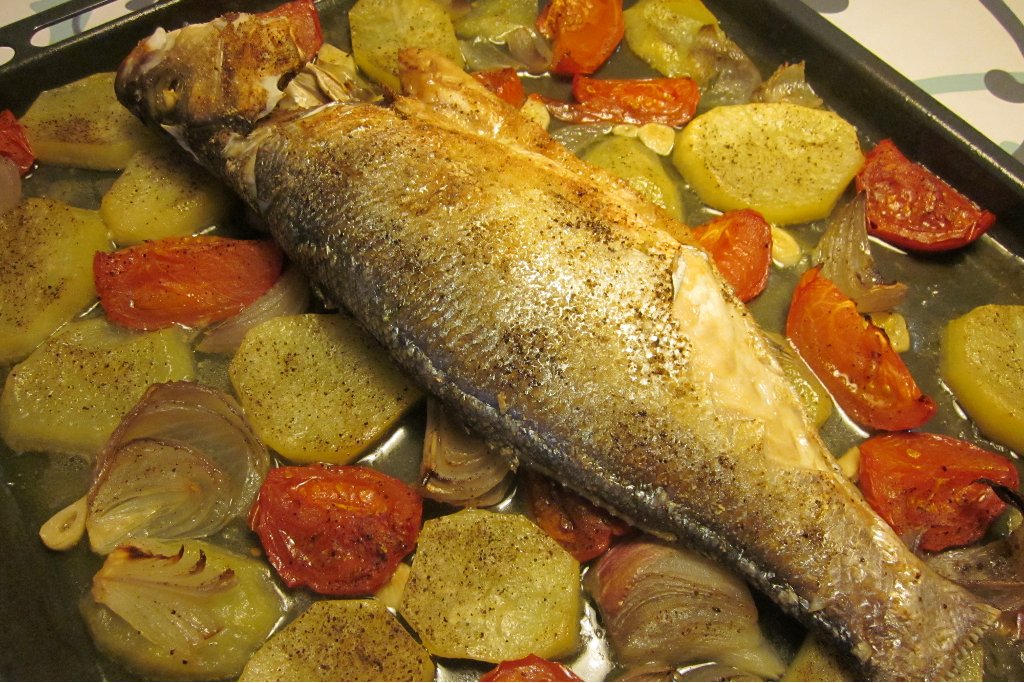
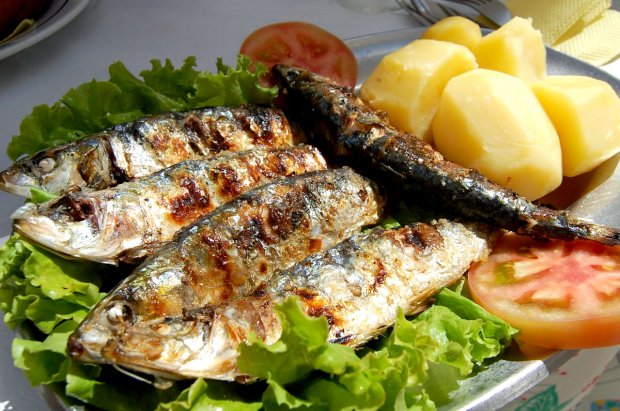
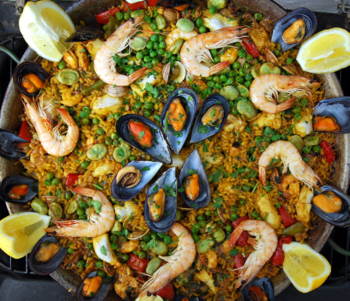
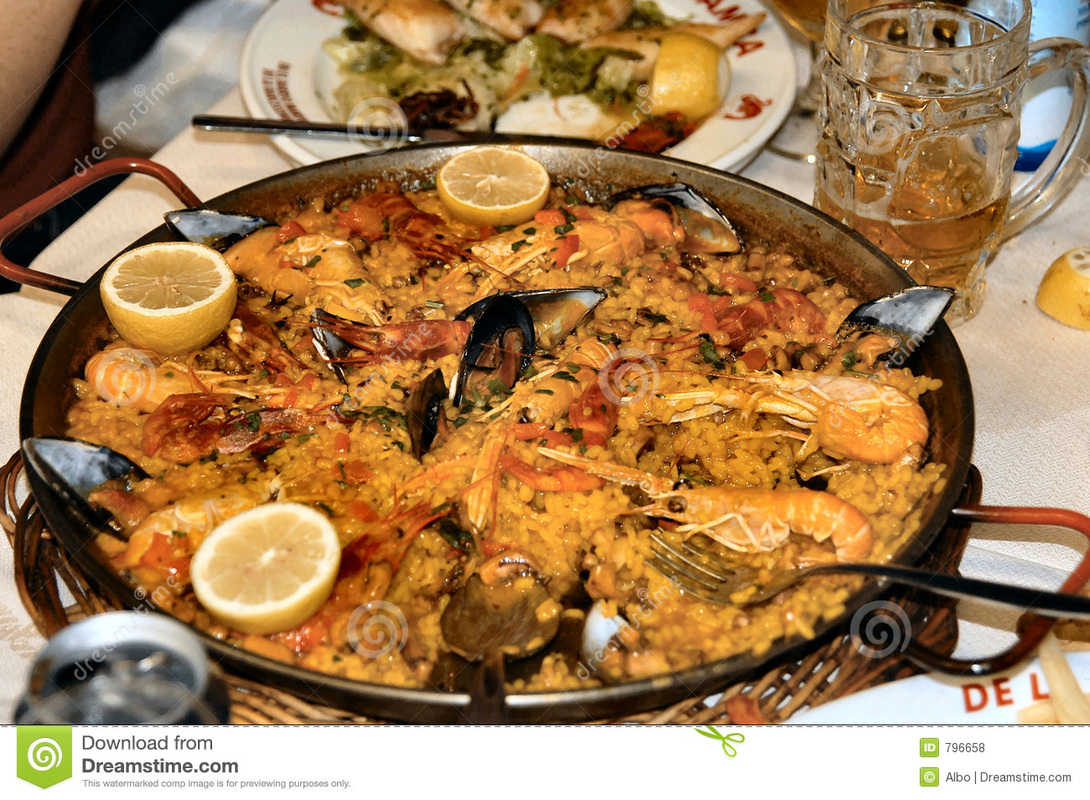
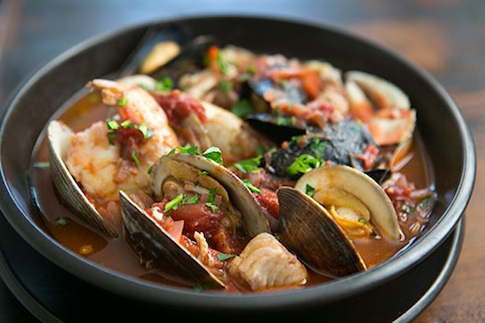
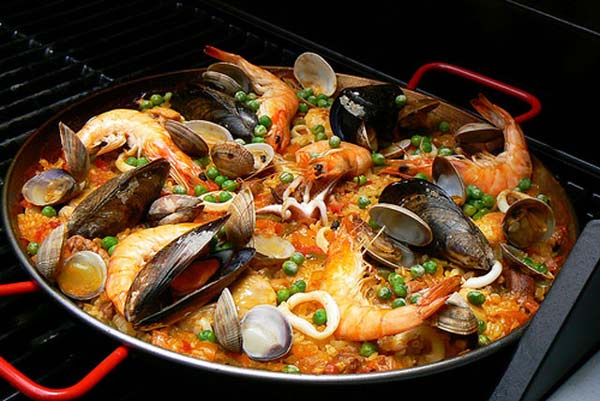
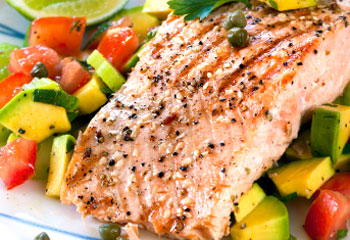
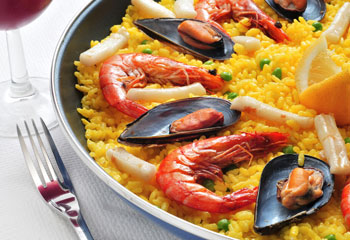
- Eat seafood twice a week. Fish such as tuna, salmon, herring, and sardines are rich in Omega-3 fatty acids, and shellfish like mussels, oysters, and clams have similar benefits for brain and heart health.
- Cook a vegetarian meal one night a week. If it’s helpful, you can jump on the “Meatless Mondays” trend of foregoing meat on the first day of the week, or simply pick a day where you build meals around beans, whole grains, and vegetables. Once you get the hang of it, try two nights a week. Be sure not to load up on cheese, though.
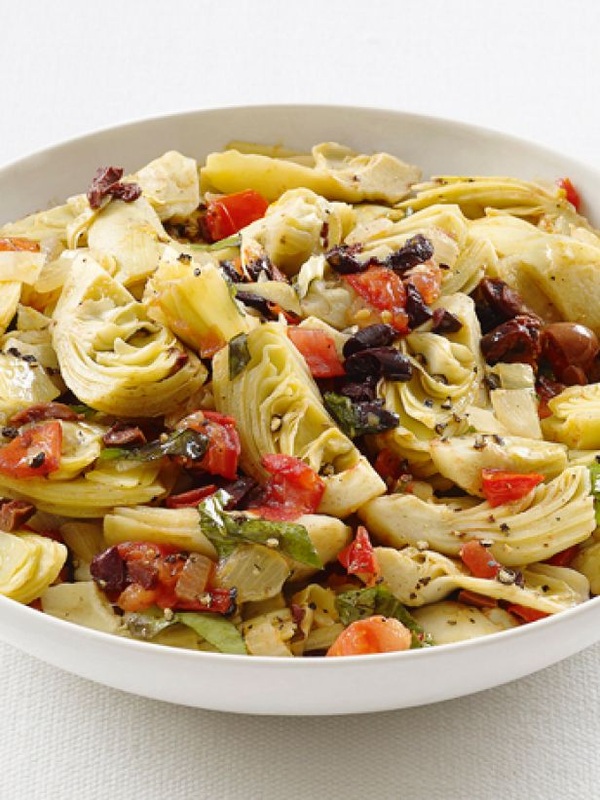
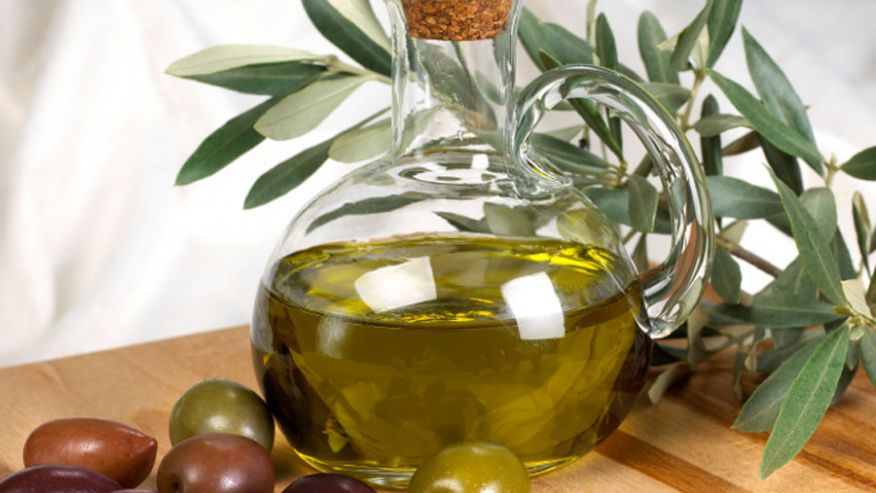
- Use good fats. Extra-virgin olive oil, nuts, sunflower seeds, olives, and avocados are great sources of healthy fats for your daily meals. Some vegetable oils higher in polyunsaturated fats—like sunflower, safflower, soybean, and corn oil—are more heart-healthy than the mostly monounsaturated fats in olive oil.
- Enjoy some dairy products. Try small amounts of cheese, and eat Greek or plain yogurt. You want to make sure to choose low-fat or fat-free dairy products.
- For dessert, eat fresh fruit. Instead of ice cream or cake, opt for strawberries, fresh figs, grapes, or apples.
Quick start to a Mediterranean diet
There is new, even stronger research backing up the Mediterranean diet as a way to prevent vascular disease. The diet includes generous quantities of olive oil, fruits, vegetables, nuts, and fish; limited portions of red meats or processed meats; and moderate amounts of cheese and wine. So how can you make the switch? Start with small steps, jump-starting your effort with these top five tips:
- Sauté food in olive oil, not butter.
- Eat more fruits and vegetables by having them as a snack, or adding them to other recipes.
- Choose whole grains instead of refined breads and pastas.
- Substitute fish for red meat at least twice per week.
- Limit high-fat dairy by switching to skim or 1% milk from 2% or whole milk.
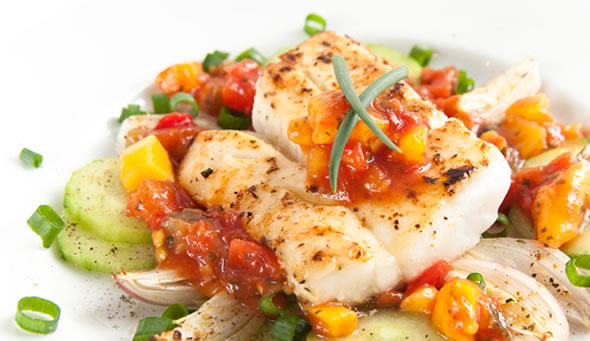
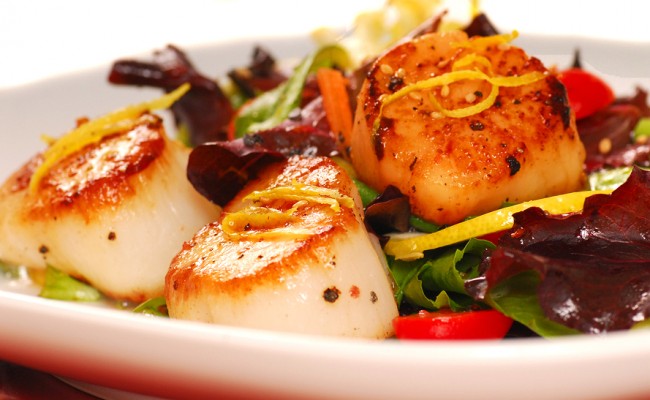
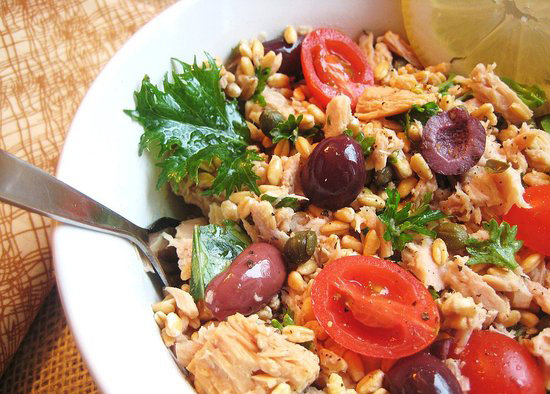
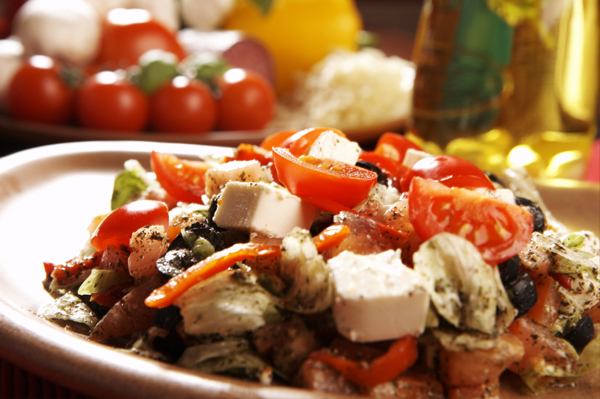

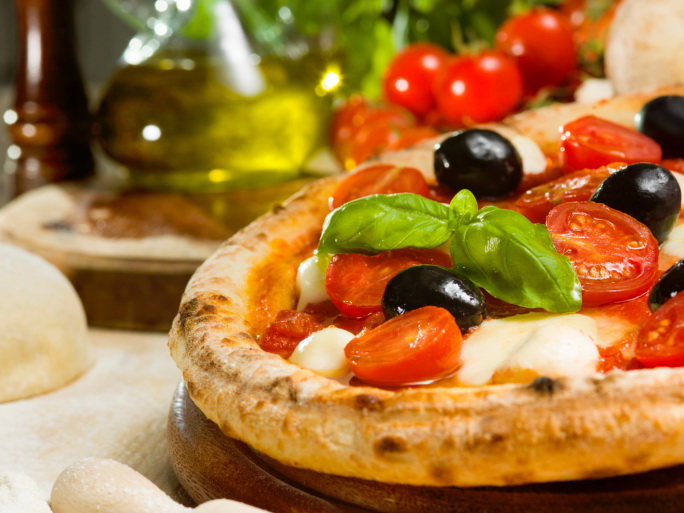

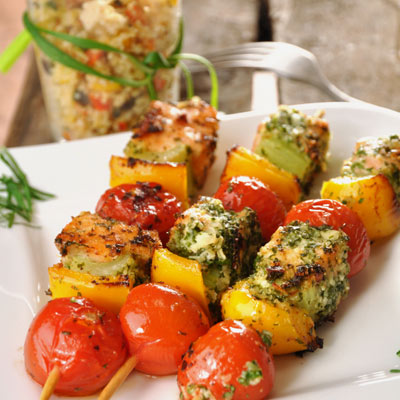
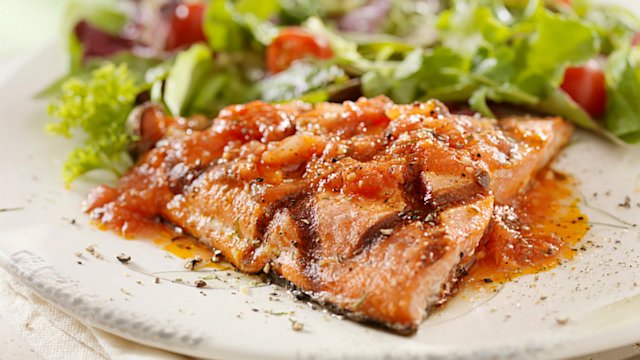
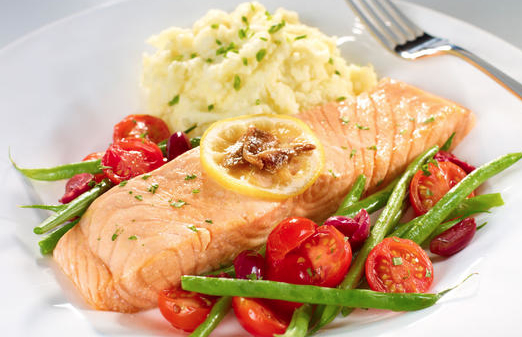
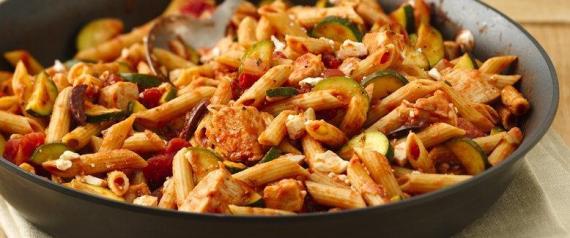

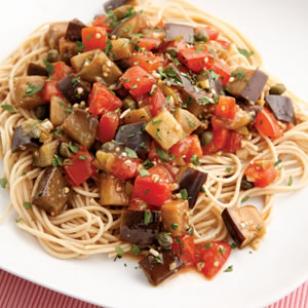

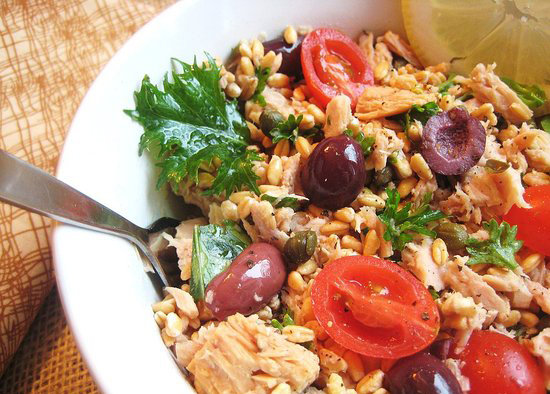
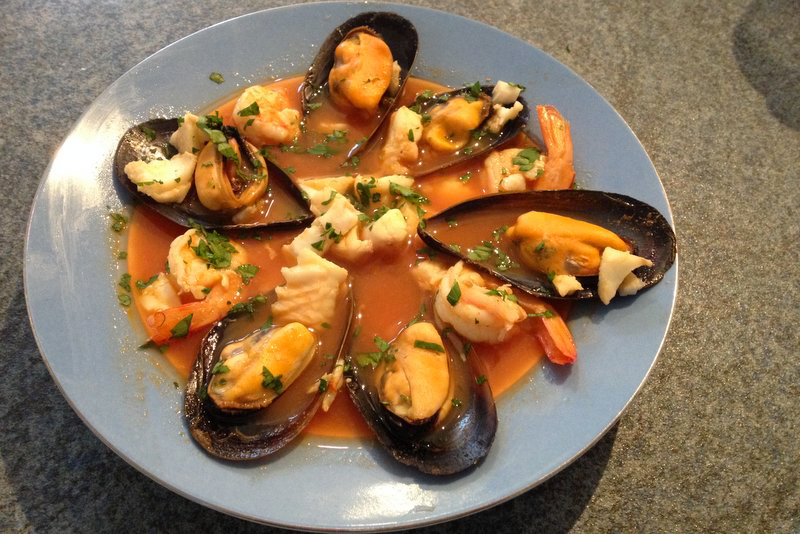
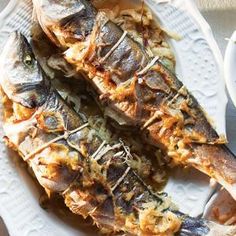
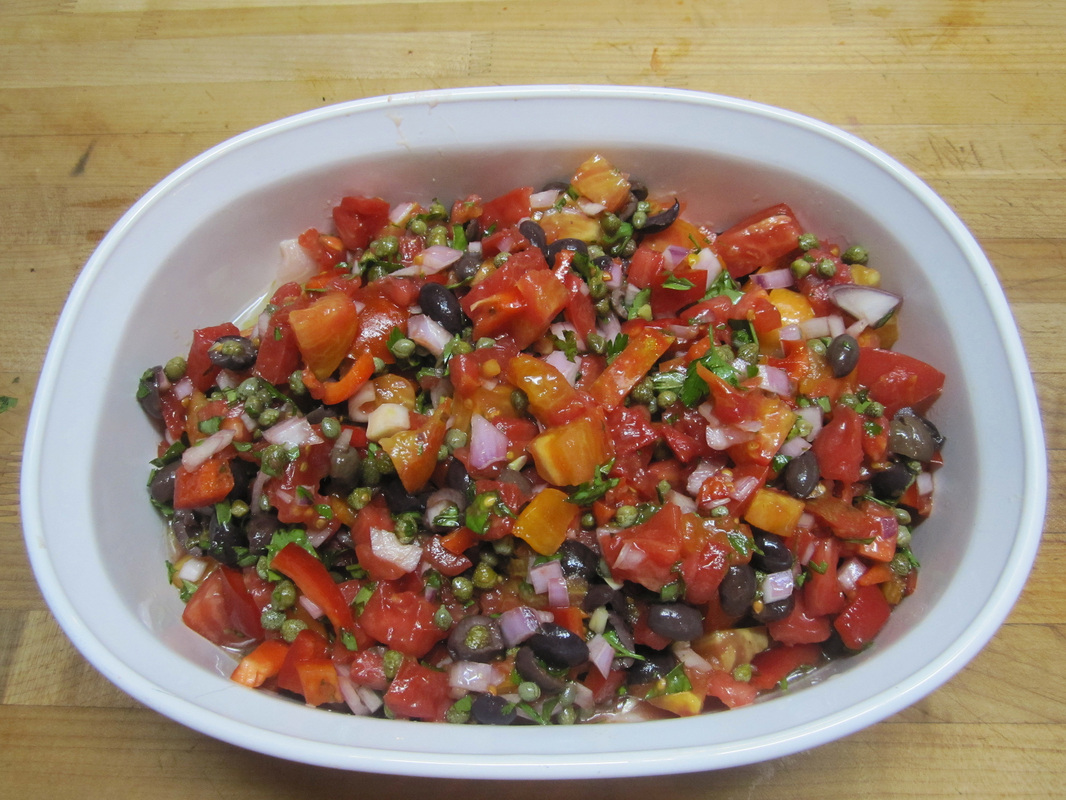
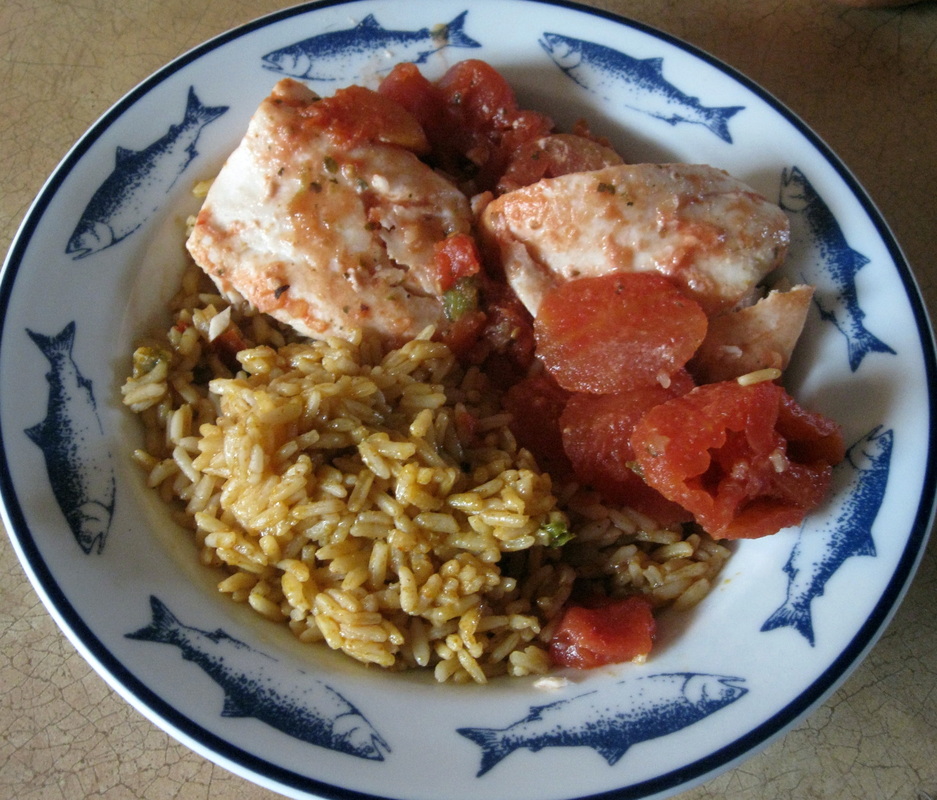
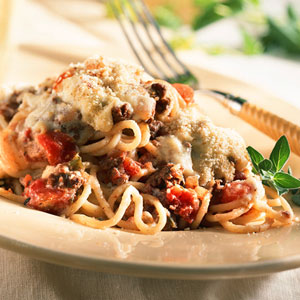
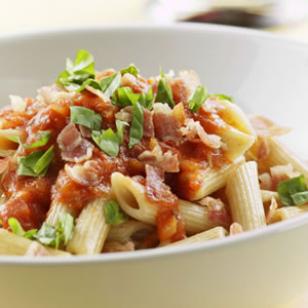
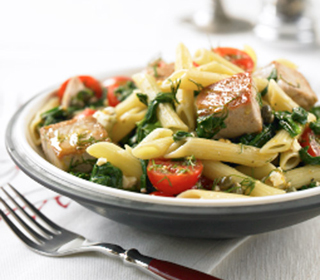
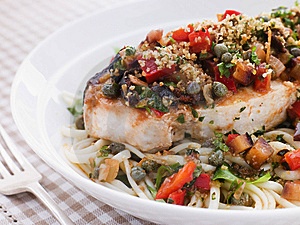
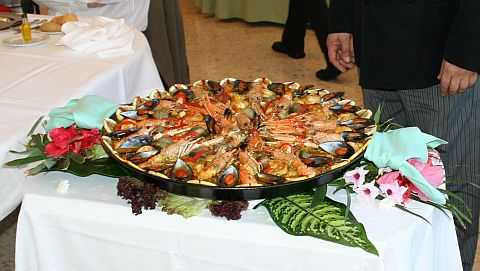
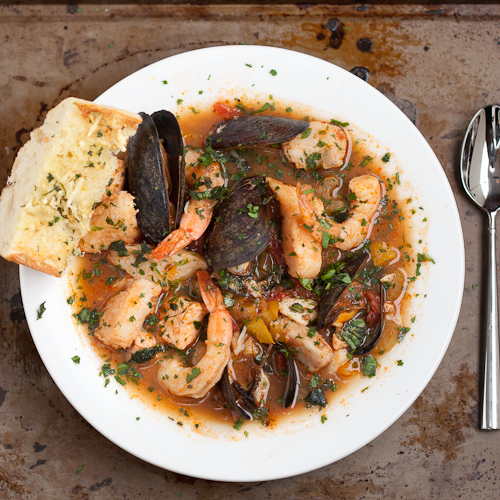
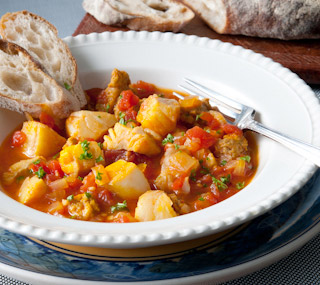
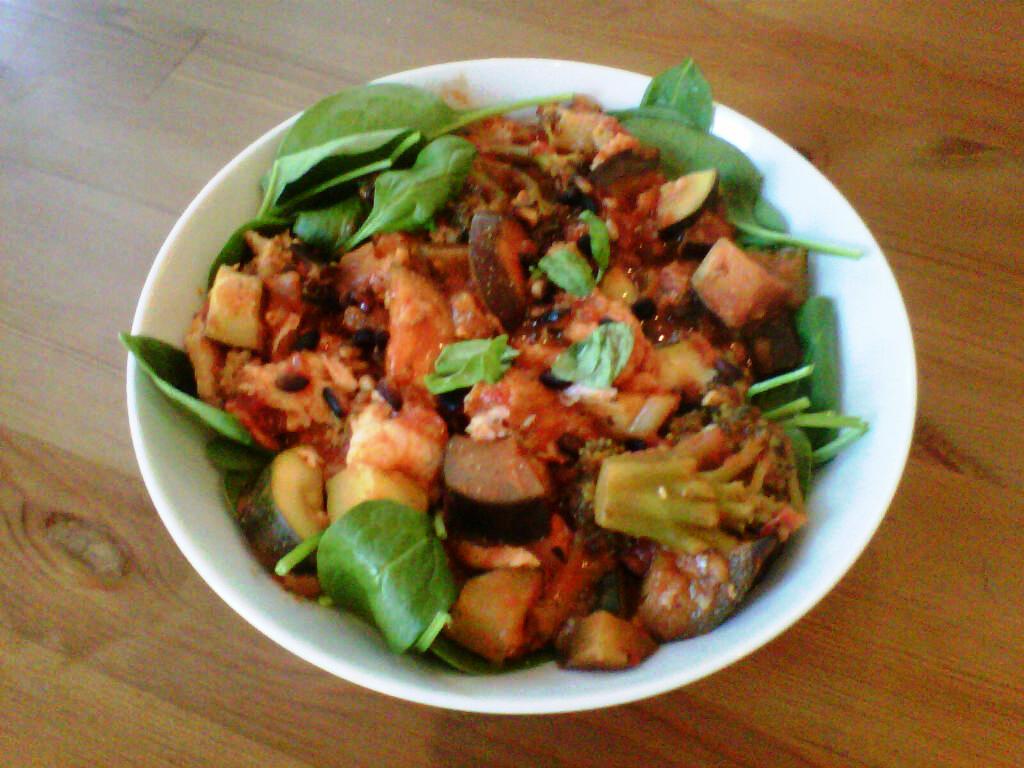
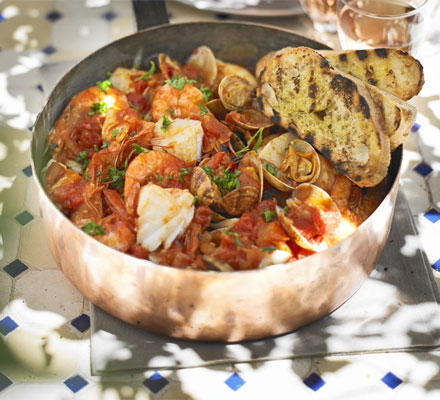
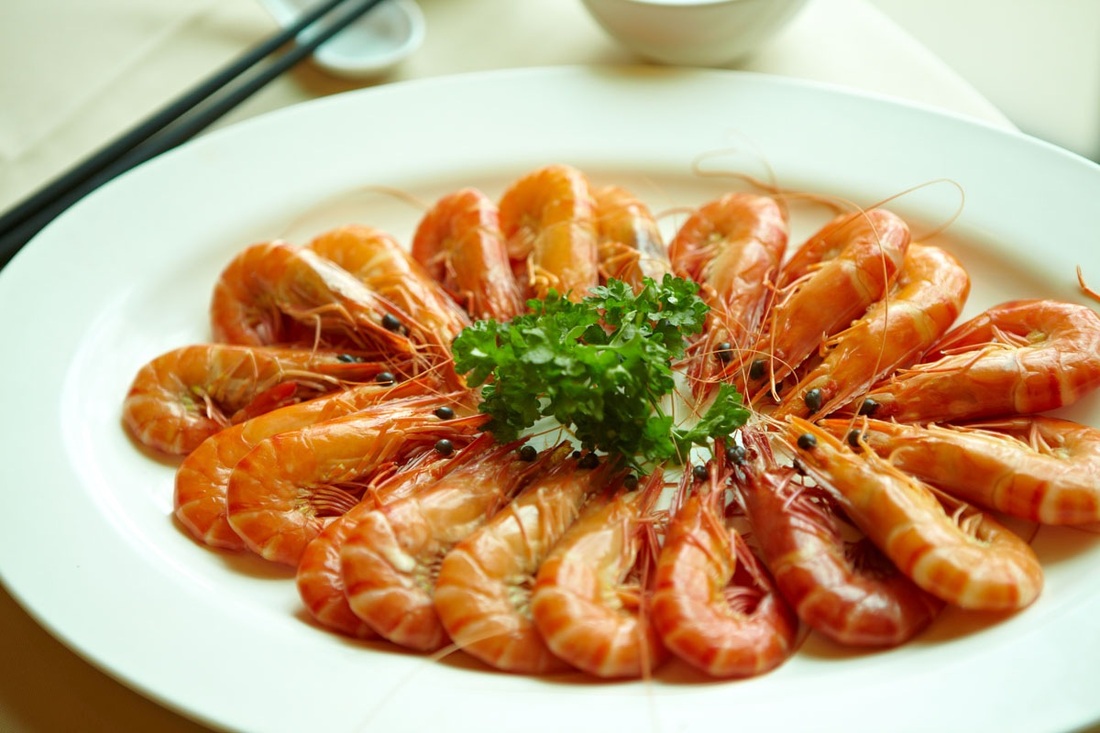
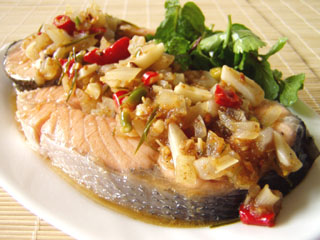
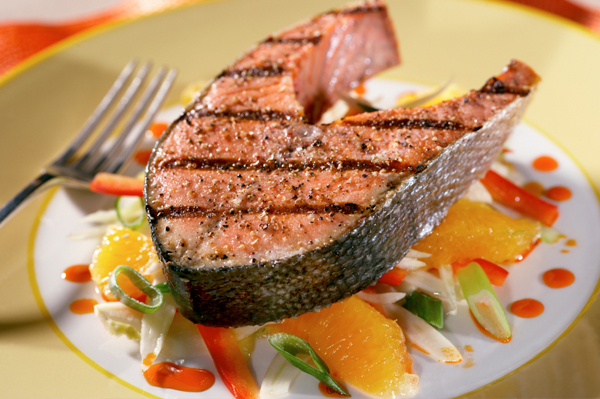
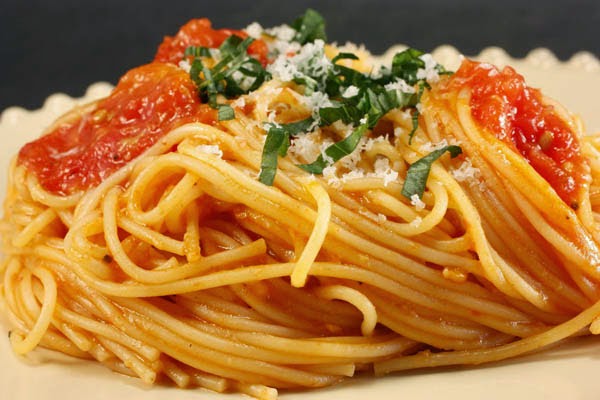
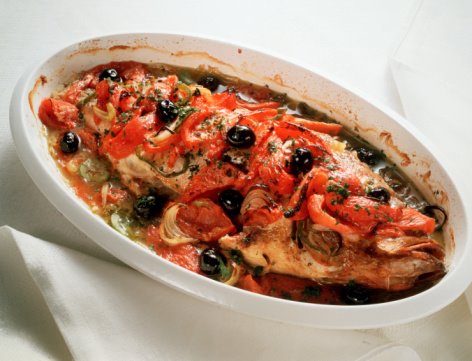
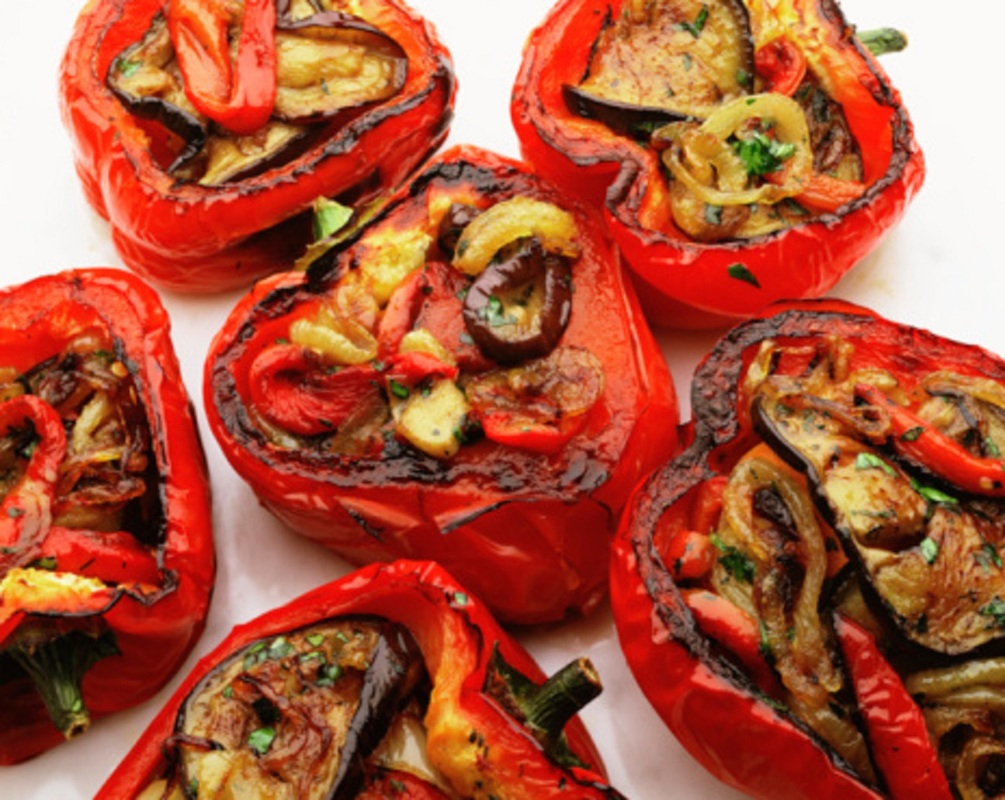
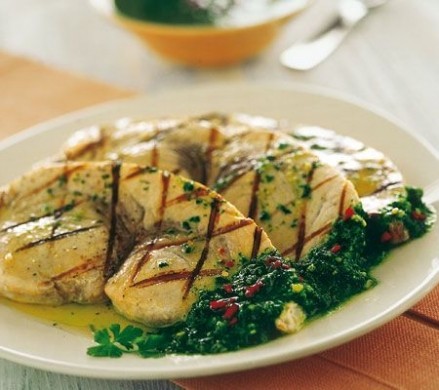
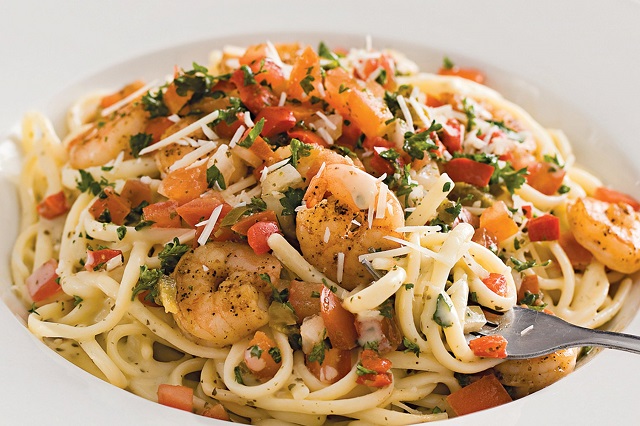
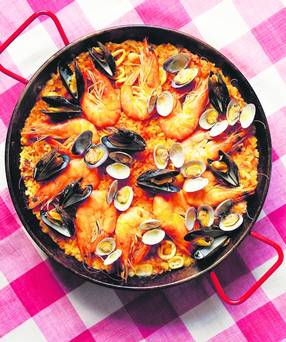
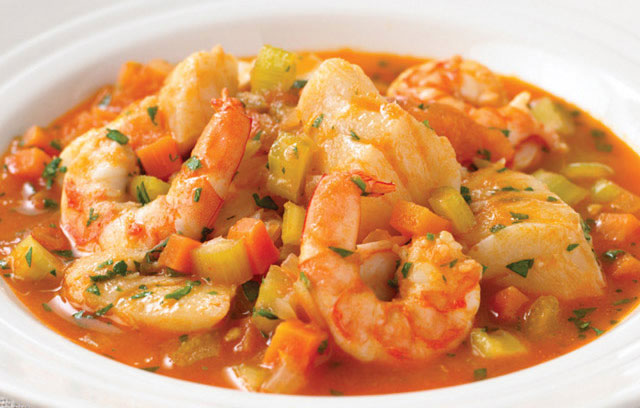
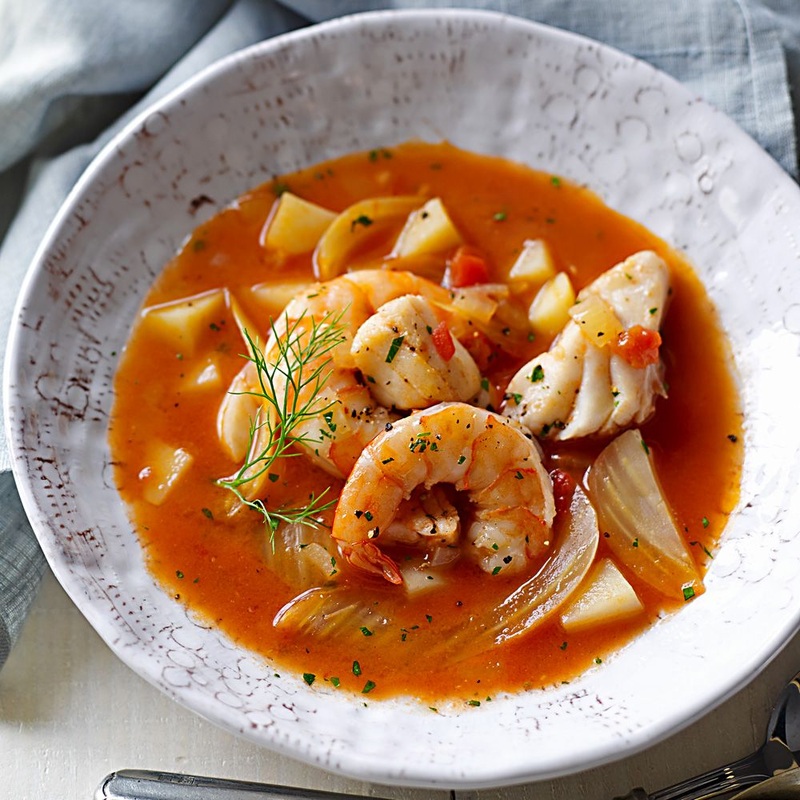
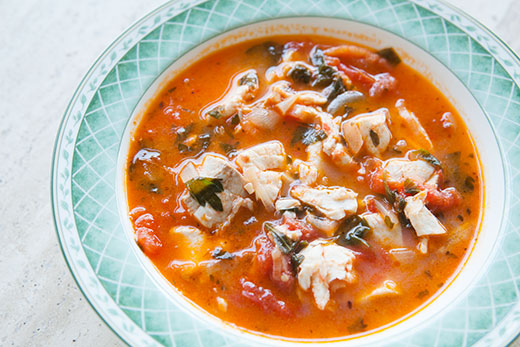

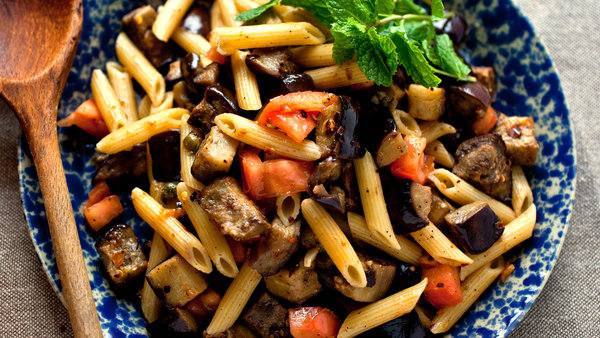
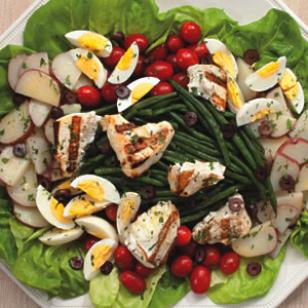
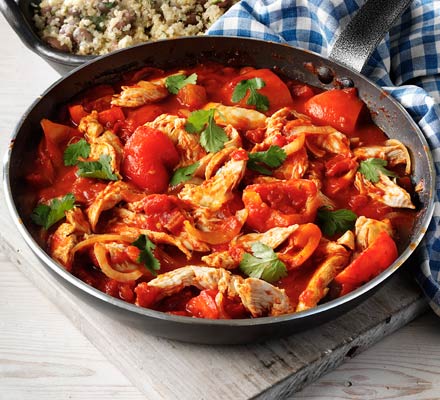
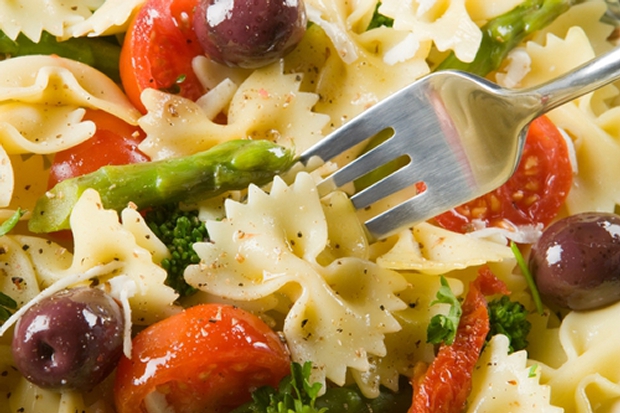
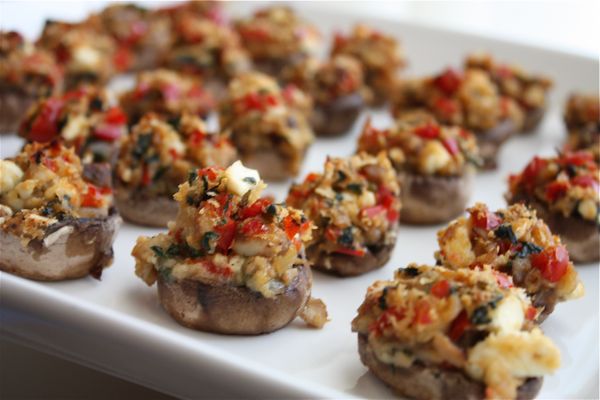
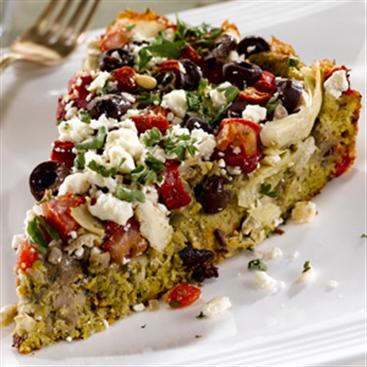
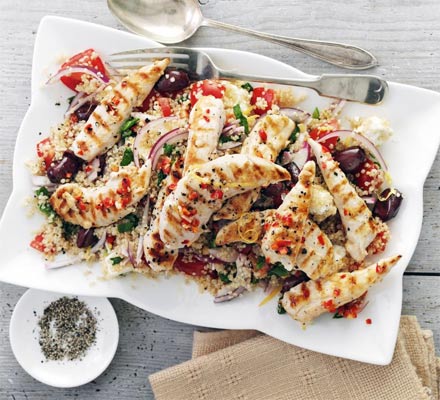

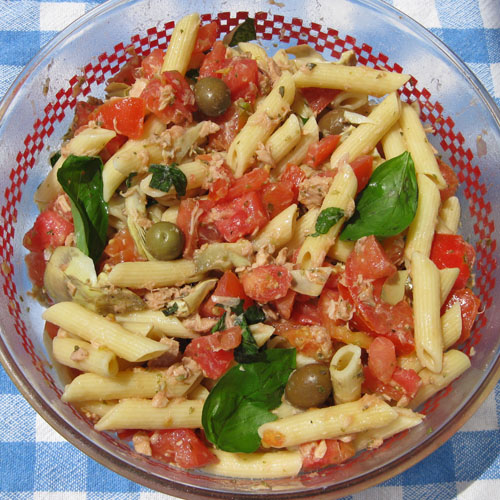
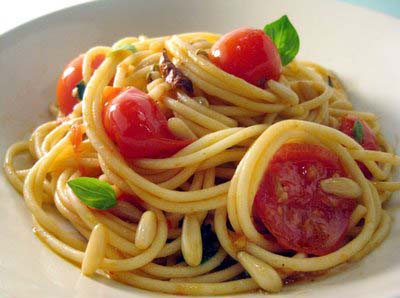

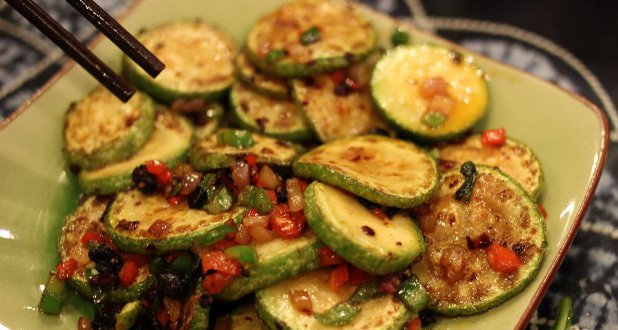
Let's start cooking!!!

Subscribe to:
Posts (Atom)